How We Invent Geniuses
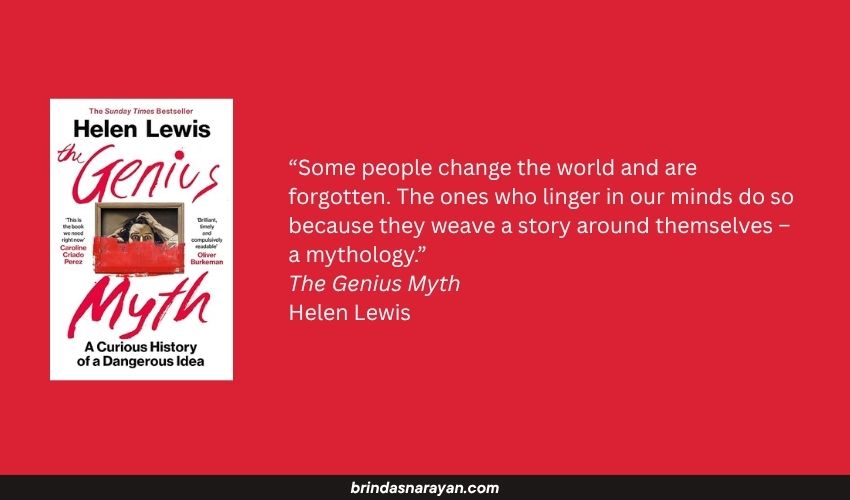
What Counts as Genius?
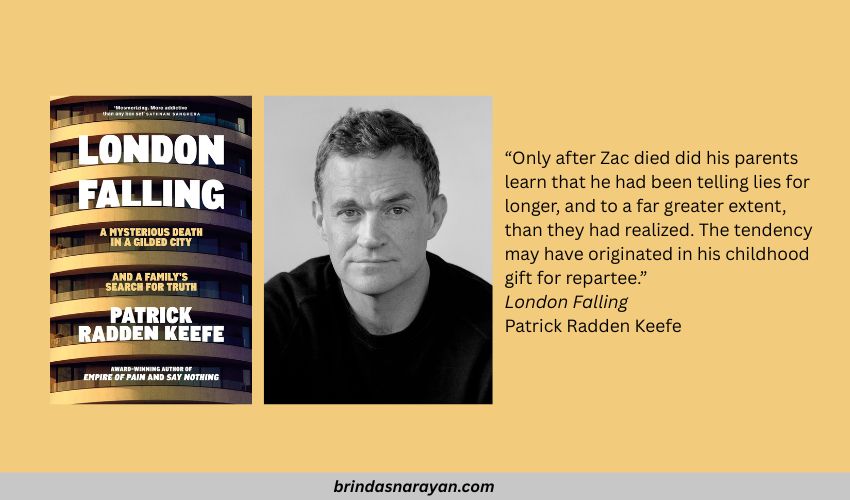
Though the word “genius” is possibly overextended as a modern descriptor, the term still carries a mystique. Who is a genius? And yikes, let’s not draw AI into this discussion.
What Counts as Genius?
Though the word “genius” is possibly overextended as a modern descriptor, the term still carries a mystique. Who is a genius? And yikes, let’s not draw AI into this discussion.
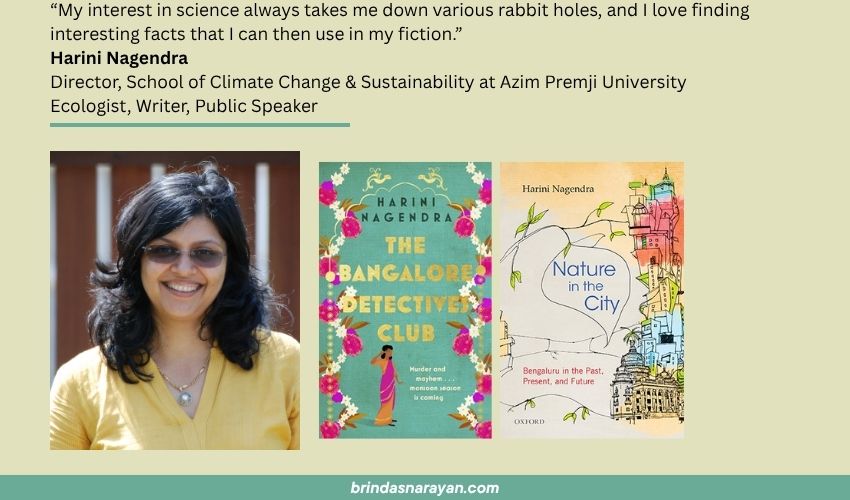
Reimagining a City Across Time
Harini Nagendra resurrects Bangalore/Bengaluru in multiple ways. She resurrects it through her vivid detective novels, which bring the city’s past to life. She resurrects its contemporary multiplicities as an academic and researcher,
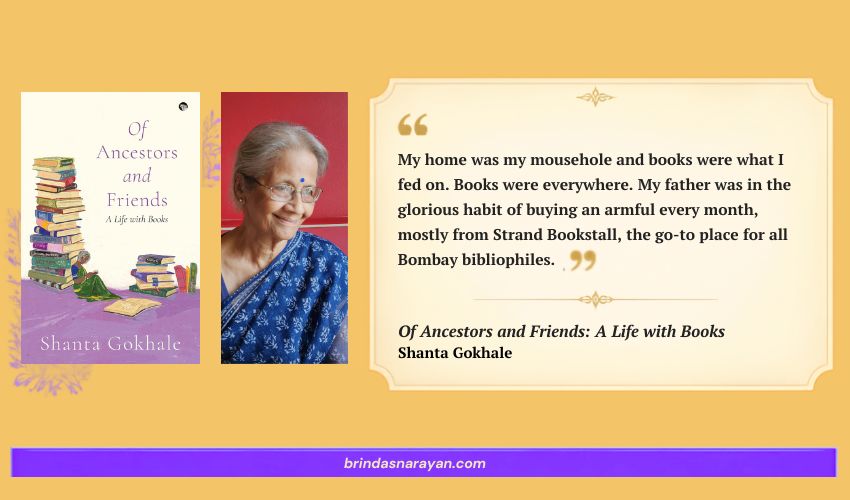
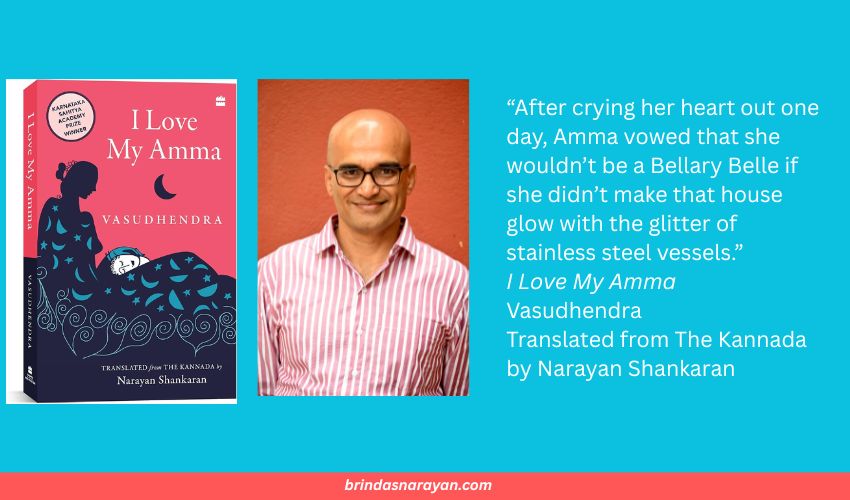
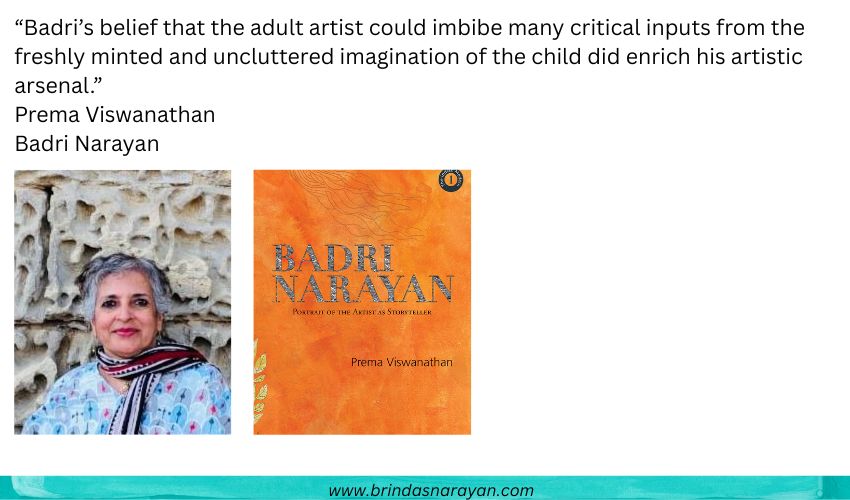
Imprint of An Extraordinary Mother
Kannada literature has a tradition of writing essays peppered with personal anecdotes. Called “Lalita Prabhandhagalu,” these informal, whimsical essays can also weave in a friend’s experience as one’s own.
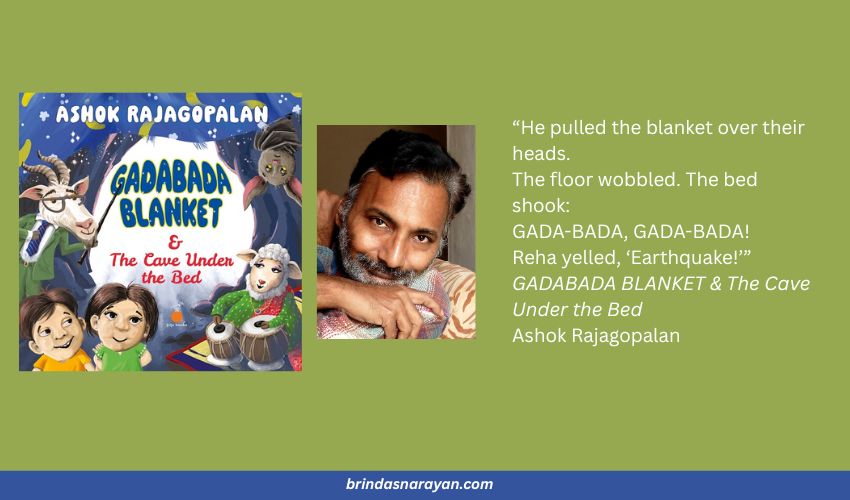
A Yatra Begins Under-The-Bed
Can a torn blanket be a magical carpet? One that whisks you under the bed and then heaves you into a cave? And not with a foreign sound, not with a BOOM or a THUD.
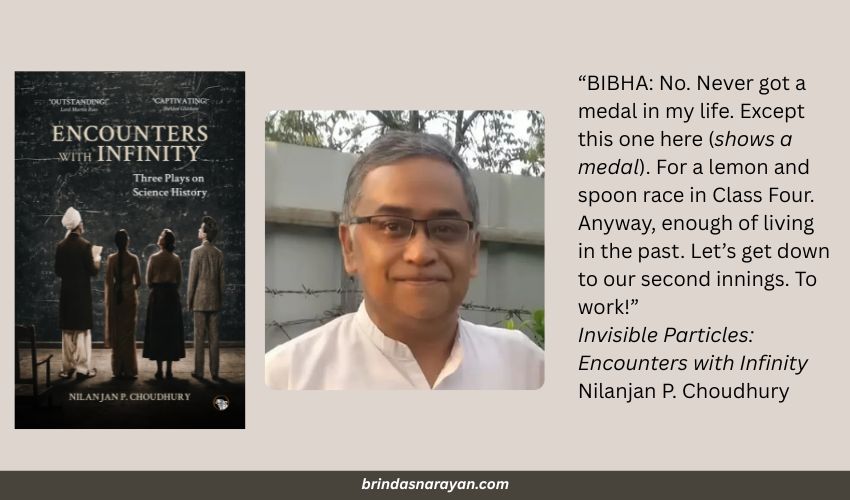
Human Biases In Science
The history of science is littered not just with opaque, esoteric findings, but with baser human emotions. With petty rivalries, with racist and sexist biases, with lab politics, with suppressions,
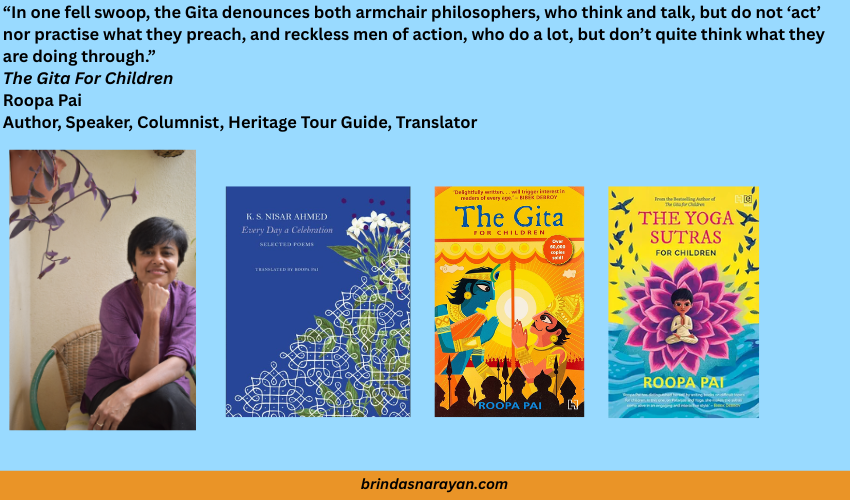
A Reluctance That Preceded Surrender
The Bhagavad Gita, comprising 700 verses, is embedded in the sprawling 100,000 verse Mahabharata. Arising from Arjuna’s resistance to battling his kith and kin, it’s perhaps not chancy that one of its much-loved contemporary narrators should have embarked on the project with a similar chafing.
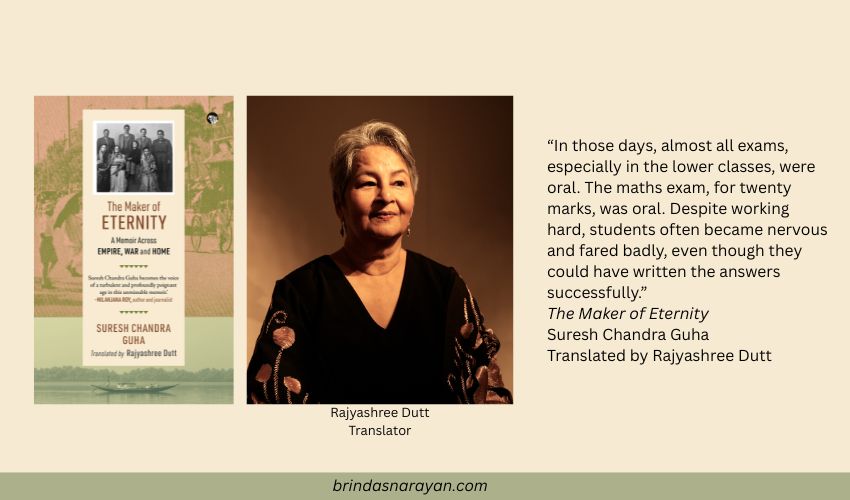
Discovering a Memoir In Two Parts
We should have been taught history through memoirs. After all, nothing really transmits the texture of various lives – especially of fascinating ordinary folks – better than diaries and letters and remembered jottings.
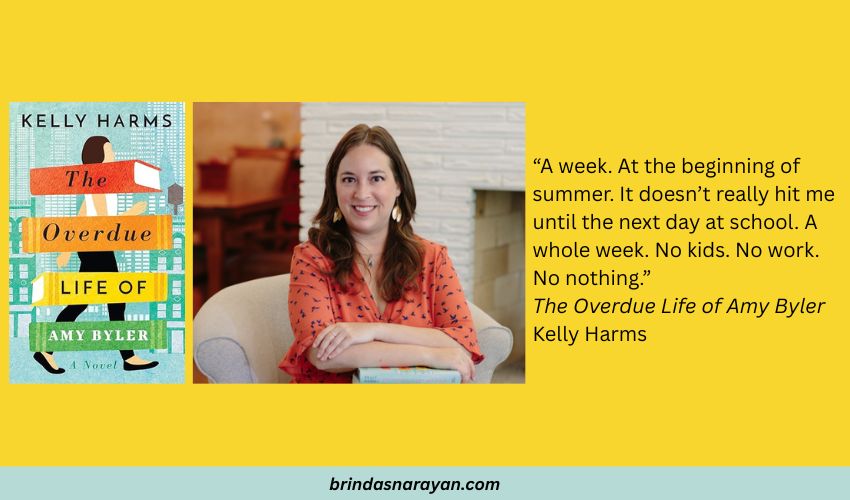
She’s Back in Circulation
Is there any stage of life when one should stop remaking oneself? Clearly never, if Kelly Harms can have her way with ageist, sexist taboos that have snared older women in filmy webs.
The Author Off the Page
AI is poised to disrupt many domains, but perhaps none more than education. Given that bots already pervade student devices and artificial wits are being channeled to cheat on exams or produce instant longform papers,
Not Another Doctor in the Family
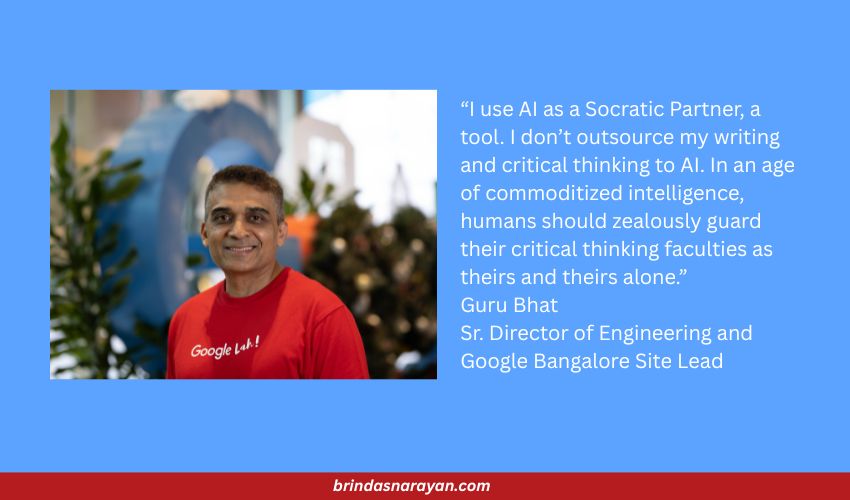
Born to doctor parents whose reputations were as burnished as the metal mined at Kolar Gold Fields (KGF), Guru Bhat bristled against the expectation that he would follow suit.
Taming Tots with Routines
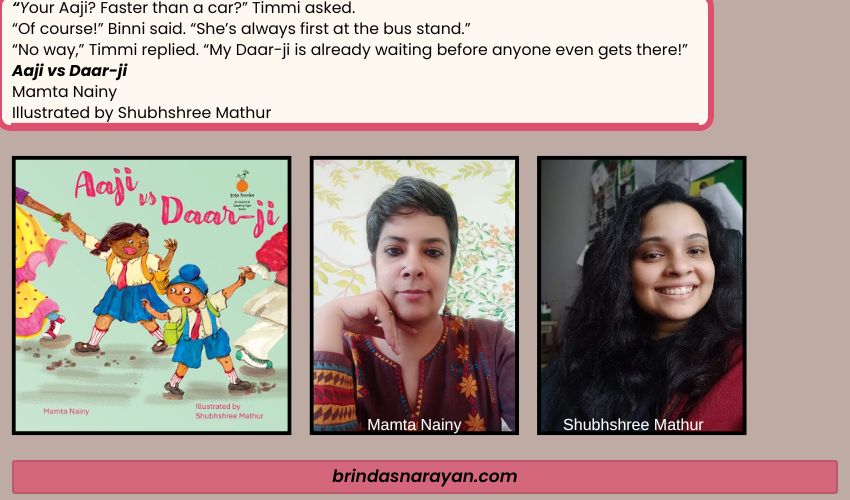
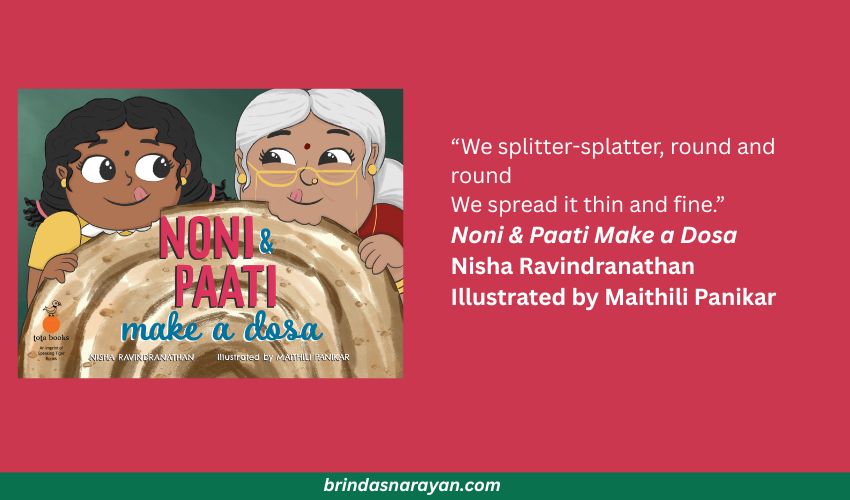
Amidst rising uncertainties, children often require the sameness of comforting routines. In a tender and balmy picturebook, “Noni & Paati Make a Dosa” gives them just that. While reinforcing an intergenerational bond,
The Costs of Ladder Climbing
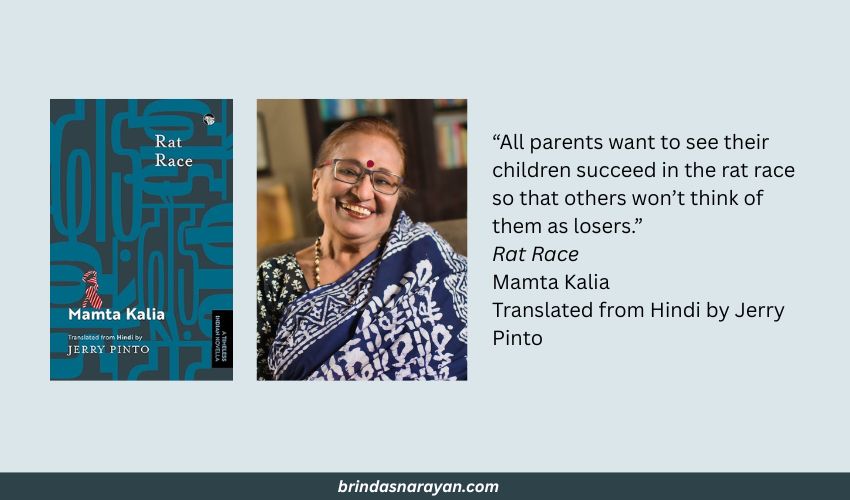
What does success entail for hordes of aspirants in the new India? What does it bestow and what are its emotional costs on families tugged by competing forces: the comforting rhythms of ancient rituals versus the gush of material goodies and new-age experiences?
Tugged Into Menacing Currents
It’s possible that the River Thames, that slices London into a distinct North and South, has lexical links with the Sanskrit word ‘tamas’. For those who don’t know, tamas represents inertia,
Raised Within Doctrinal Walls
What does it feel like for a child to grow up in a fundamentalist household? Especially with an authoritarian parent who will not brook dissent or disobedience? Will everyday acts of enraged submission lead to a future eruption?
The Weight of Many Worlds
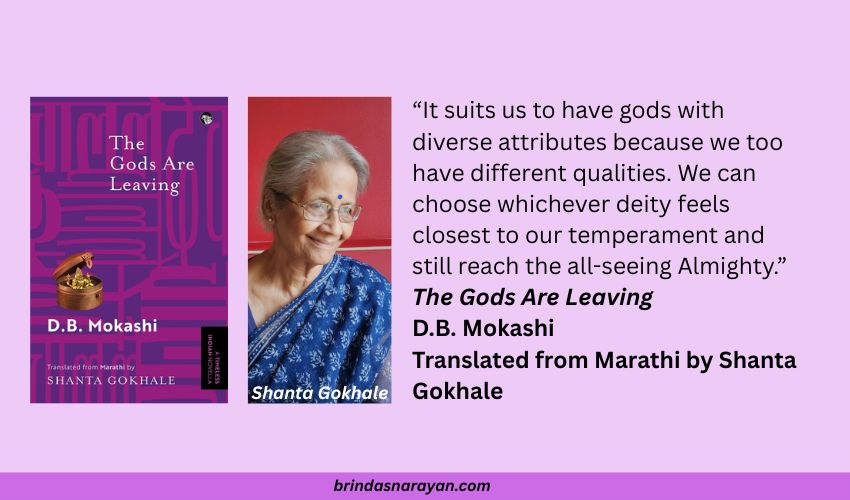
When humans migrate, what do they ferry? Sometimes nothing, sometimes trunk loads of essential goods. But almost always, their ways of doing and believing, their faith and their gods.
When a Story Finds Its Audience
For Neelam and Shekhar Krishnamoorthy, June 13, 1997 was a day that cleaved their lives into a Before and After. On that day, Neelam had booked movie tickets for her kids – Unnati (17) and Ujjwal (13) – to watch Border at Uphaar Cinema.
Different Toasts for Different Folks
The cocktail party question used to be: are you a mountain or beach person? But we also inhabit different temporal zones. We can also ask: are you a breakfast or dinner person?
Even a Doctor’s Pain is Doubted
Most doctors have also been patients, at some point or the other. But few possess the reflectiveness and candor of Dr. Rageshri Dhairyawan, who starts “Unheard: The Medical Practice of Silencing” with a startling admission: “Not being heard or being taken seriously in healthcare seems to be an almost universal experience.” Naturally,
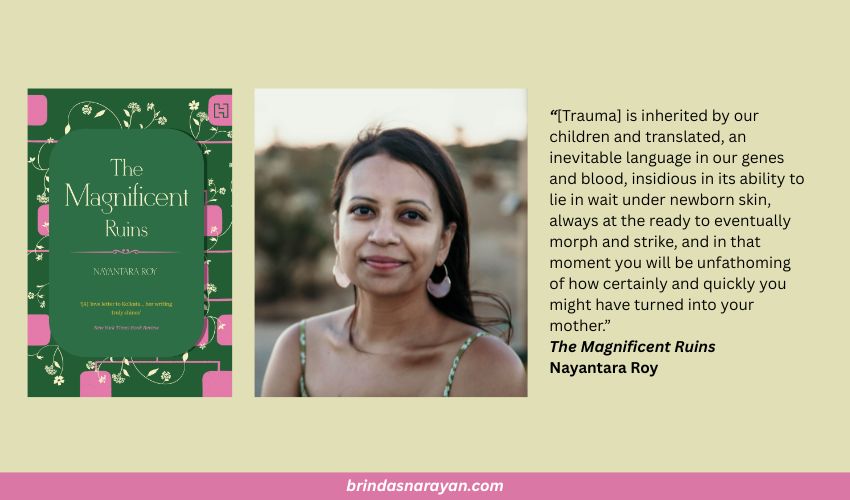
In Nayantara Roy’s “The Magnificent Ruins,” the ill-kept and crumbling family home inherited by its protagonist, Lila De, feels like a stand-in for many things. For the decay and growing marginality of the Bengali bhadralok,
Living Between Cultures
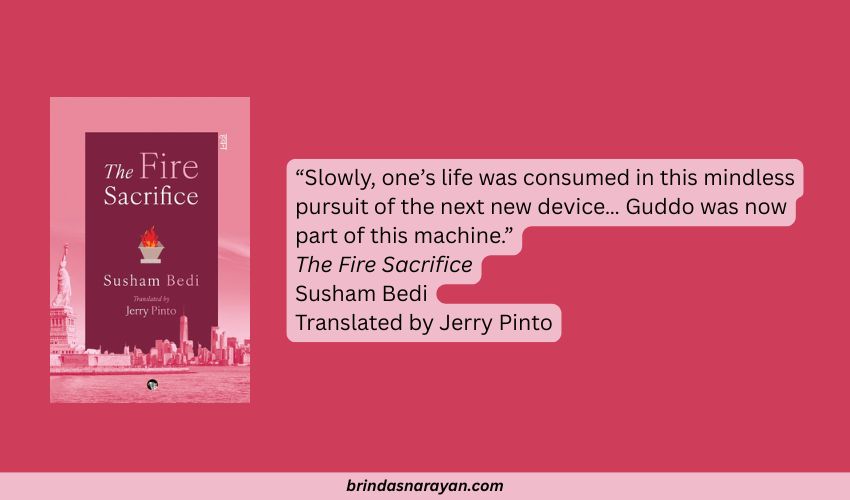
This is a bleak book. But then again, let’s face it. Reality is and was bleak for many women. Written by Susham Bedi, an acclaimed Hindi writer who also taught the language at Columbia University,
Radha Krishna: An Archetype of Illicit Love
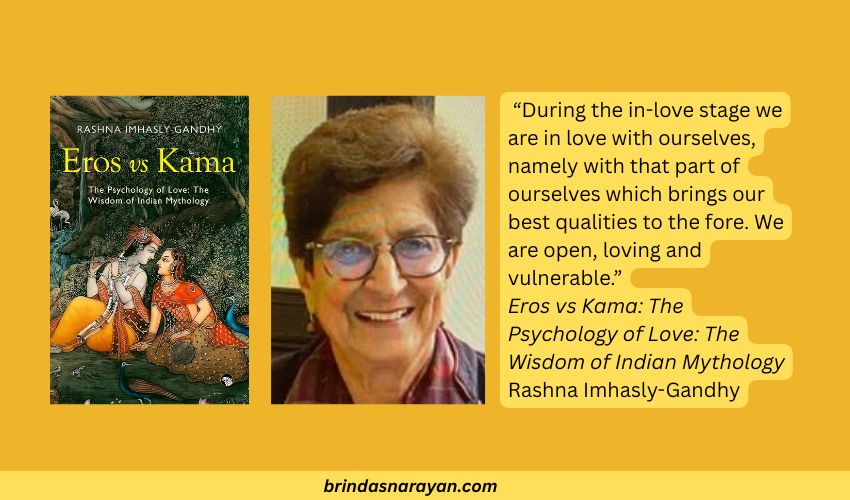
Love, in Indian mythology and poetry, is typically of two types. In svakiya, or conjugal love, a married couple sustains an enduring romantic bond.
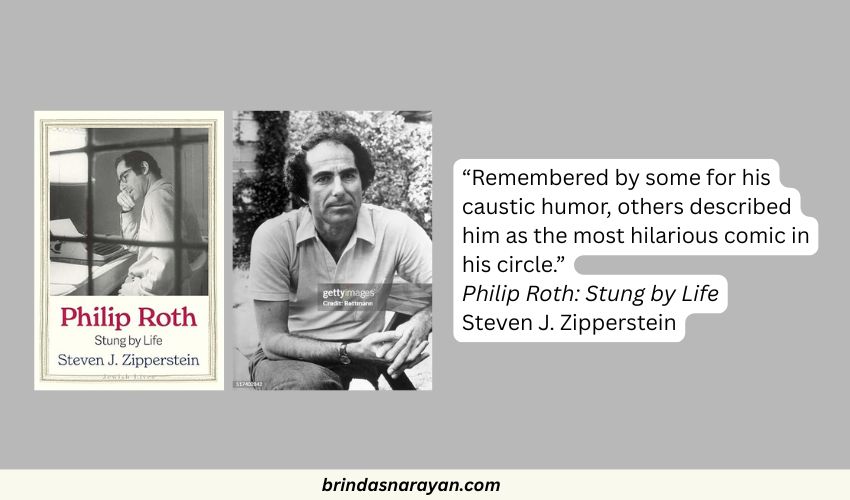
When Roth Felt Personal
Literature moves us most intensely when it expresses thoughts or feelings we don’t recognize in ourselves. Steven J Zipperstein experienced this kind of revelatory identification when, as an adolescent,
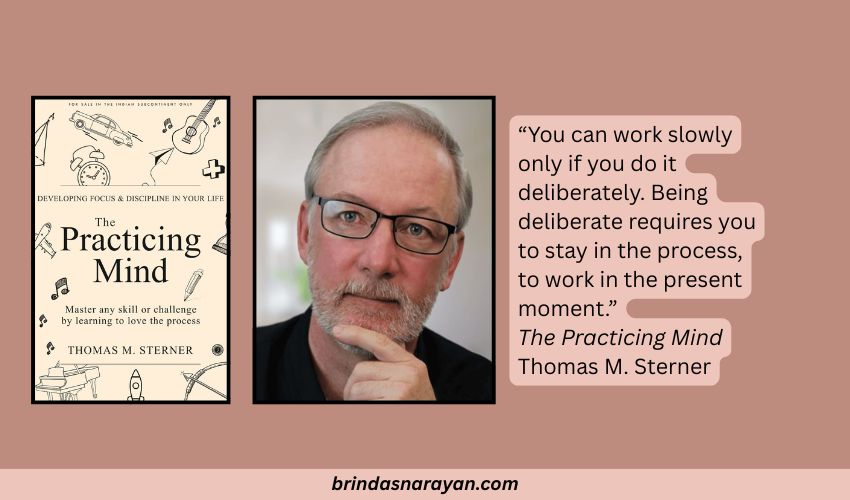
Early Exits in Childhood
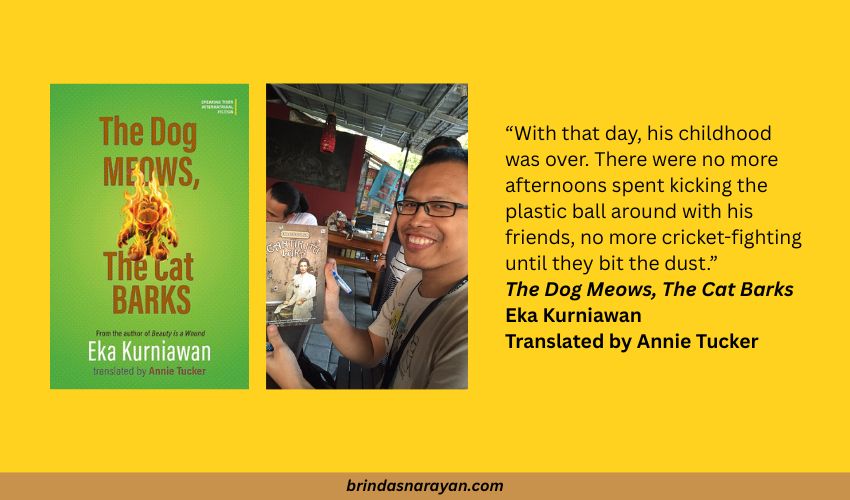
When he was just 4-years-old, Thomas Sterner started learning to strum the guitar, persisted for two years and then stopped. At 9, he kicked off piano lessons. This time,
Readers of this blog post are unlikely to have viewed the 1965 film, Waqt, directed by Yash Chopra, starring Sunil Dutt, Raaj Kumar and Shashi Kapoor. But one of its iconic lines,
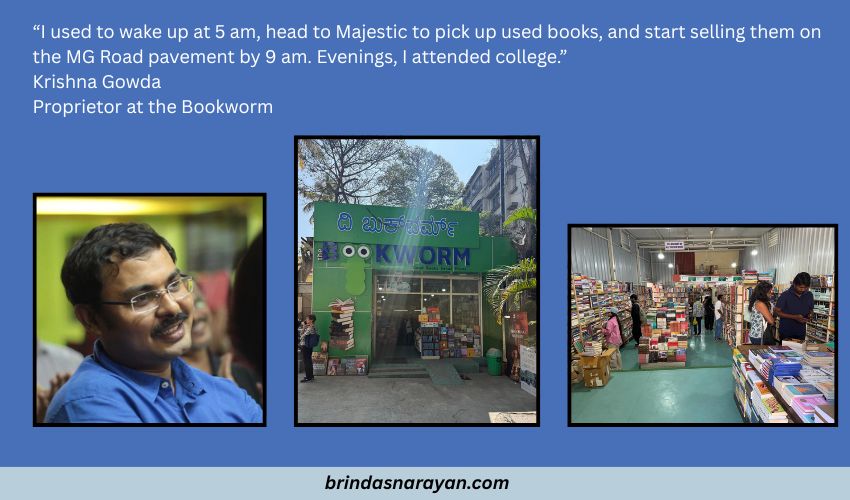
Tilling Fields and Chalking Slates
Krishna Gowda was the first person in his family to graduate from college. As the youngest of six siblings growing up in the village of Rangasamudra, in the Mysore District,
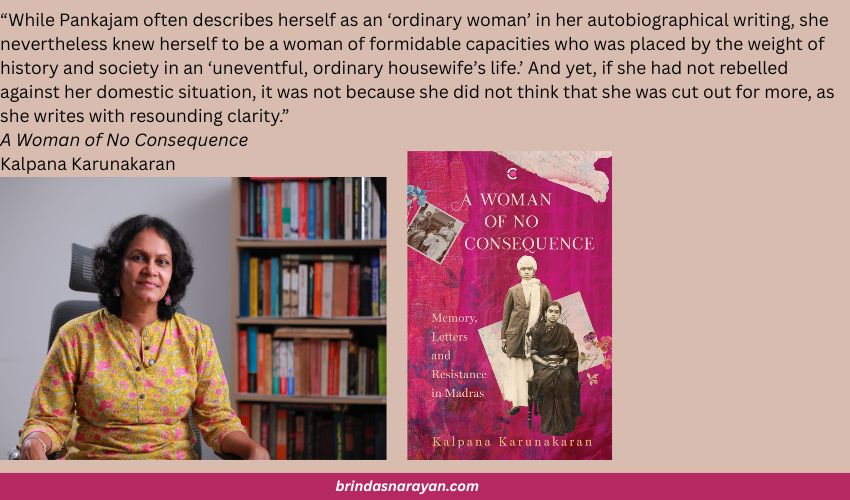
Addressing History’s Blind Spots
Reading A Woman of No Consequence by Kalpana Karunakaran was revelatory in many ways. As someone who was never drawn in by stodgy textbooks filled with quotidian facts about rulers and battles this felt like a shard of history that was truly compelling.
No Holding Back Tears
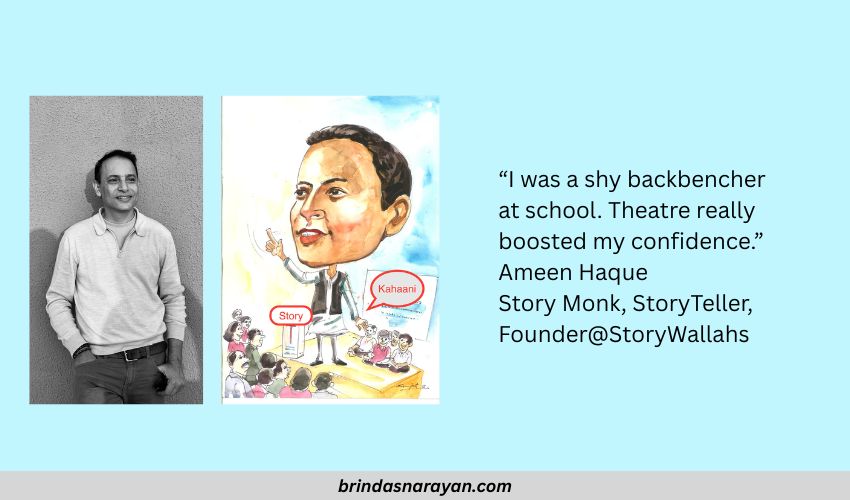
The audience, composed of children and adults, tilt their heads in anticipation. Ameen Haque strides on to the stage in a crisp, white kurta. In his echoing baritone, he starts reciting his poem,
A Historian Who Digs Horror
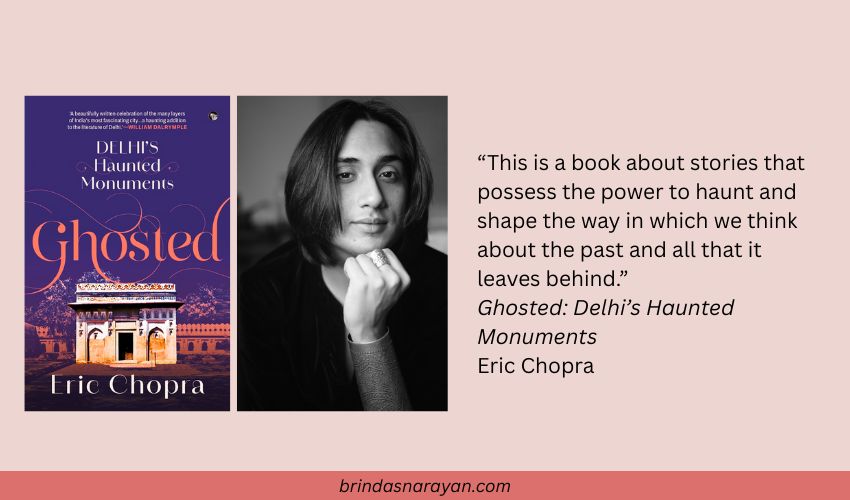
In “Ghosted”, Eric Chopra plumbs ghost stories, haunted tours and even TV shows to depict not just what transpired in the past, but to “reveal how history lingers,
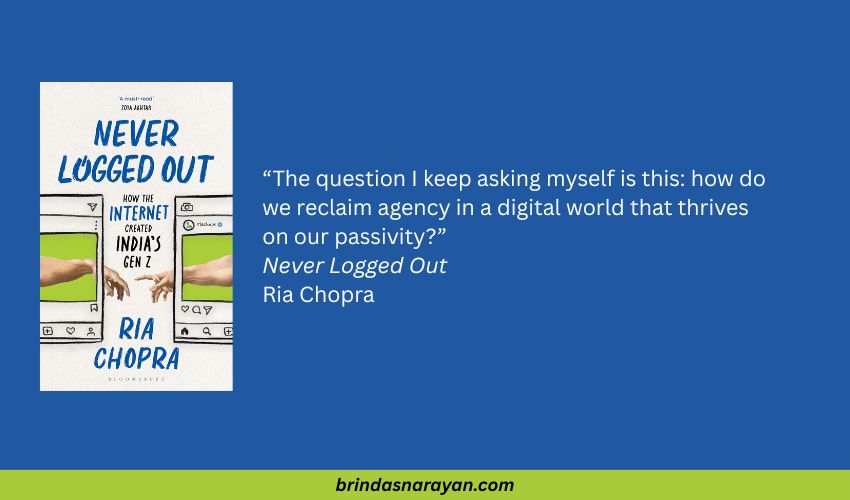
Indian GenZs, typically defined as those born between 1995 and 2012, have a singular relationship with the internet. Their childhoods were spent largely offline, mirroring that of preceding generations, consisting of free play, books, films,
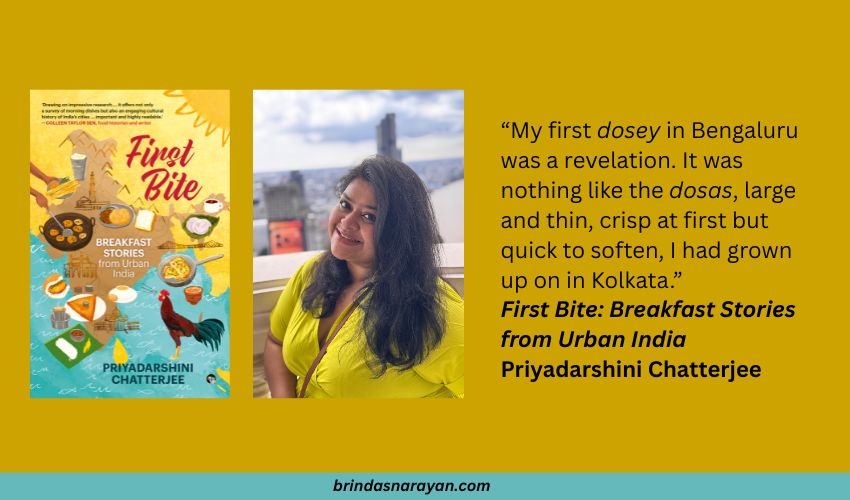
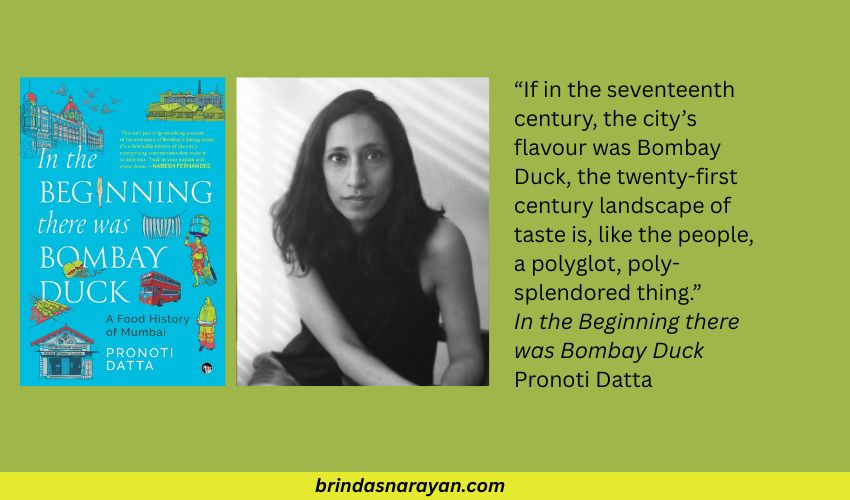
Bombay or Mumbai can be sliced and diced in myriad ways. In the Beginning There Was Bombay Duck by Pronoti Datta does this with food, evoking the city’s history and its mélange of communities and cultures.
Untying Knots, Reframing Divorce
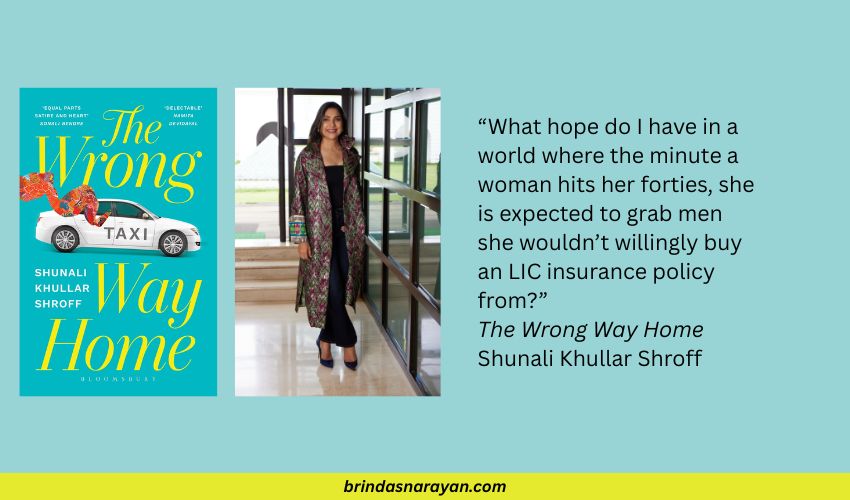
In a culture that exalts marriage and denounces divorce, The Wrong Way Home is a refreshing addition to our romcom shelves. But here’s the thing: you might read it and reshelf it.
Slipping Into Sleuth Mode
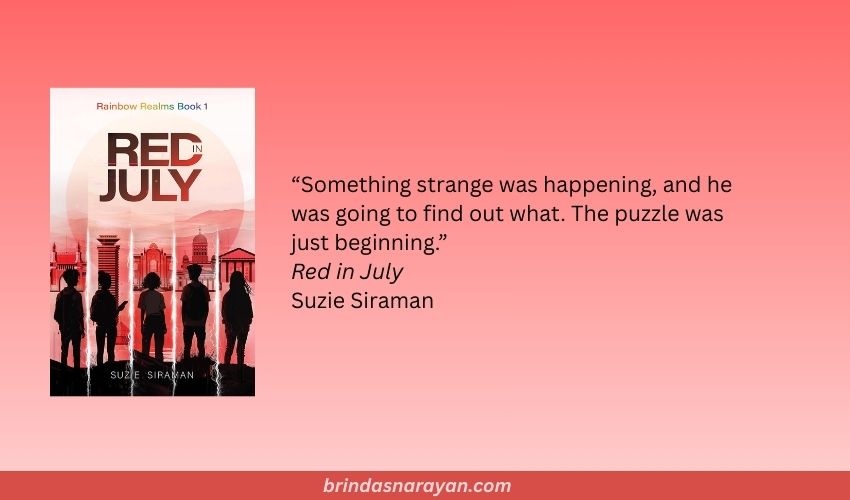
July rains lash Mumbai with a ferocity that overtakes other wet months. During this season of torrential downpours and lightning-zapped skies, 16-year-old Ravi is gripped by changes in the neighborhood.
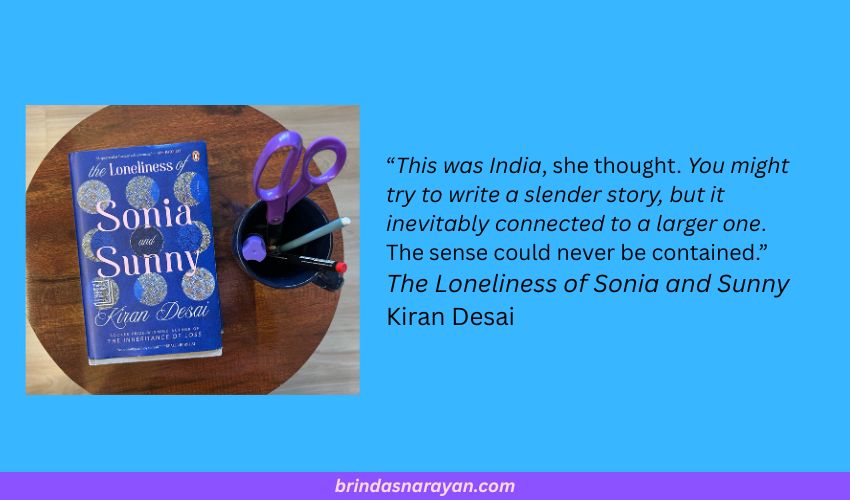
In The Loneliness of Sonia and Sunny, Sonia Shah occasionally dwells on the joys of swimming. Of ducking underwater into a staid pool or eddying ocean, feeling one’s limbs and torso melt into a soothing nothingness.
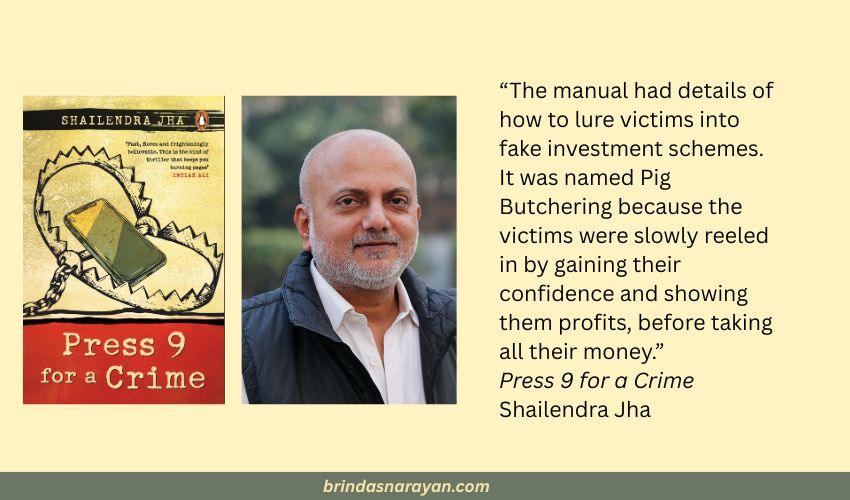
For those of us wary about the swift rollout of AI and the accelerated digitalization of a society rife with schisms – cultural, socioeconomic, educational – Press 9 for a Crime feels like a chilling tell-all.
Captivated by Austen Forever
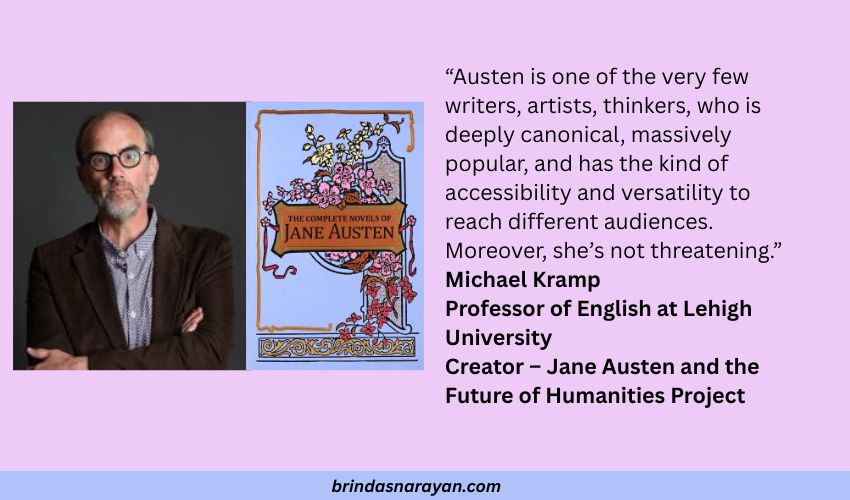
Michael Kramp was 18-years-old when he encountered Jane Austen’s works in a literature course. Taught by Dr. Claudia L. Johnson, an eminent Austen scholar who currently teaches at Princeton University,
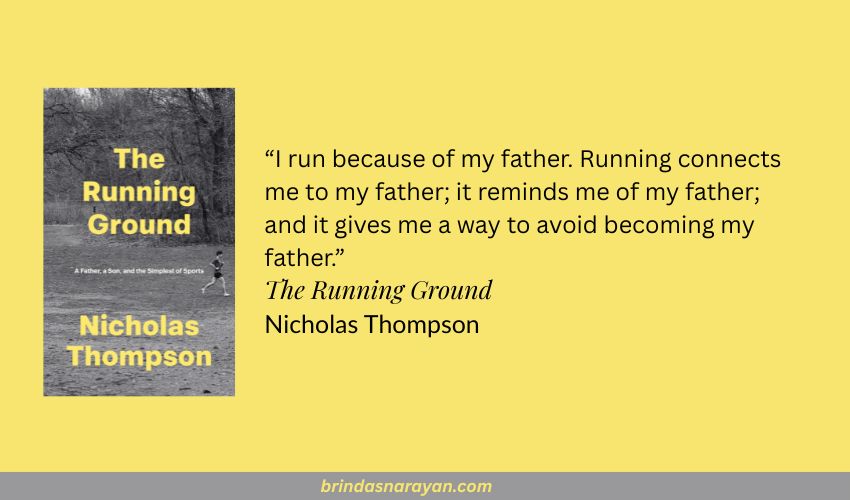
I watch runners zigzag through the leafy Cubbon Park pathways with a mixture of awe and envy. I believe my own knees are too dodgy to run. Reading The Running Ground prods me to interrogate tentative midlife appraisals of what I can do.
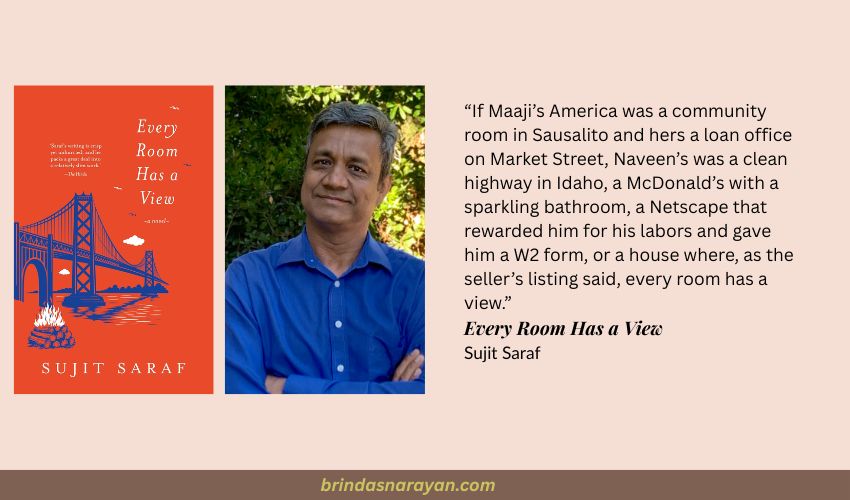
Have you ever wondered about the texture of an alternate life? The colors of everydays, the shapes of afternoons and evenings, the flight of time in a different place? For instance, how would your life have felt,
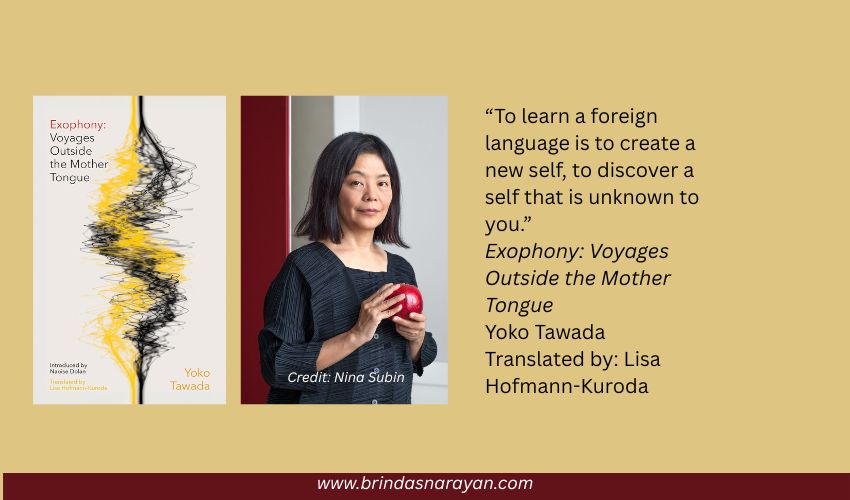
If you are wavering about learning a new language, Yoko Tawada’s attentive, expansive essays in Exophony can prod you into action. As she puts it, a new language is akin to gaining “a new self,” one that is unshackled from its familiar moorings to explore forbidden thoughts and aspects of the psyche.
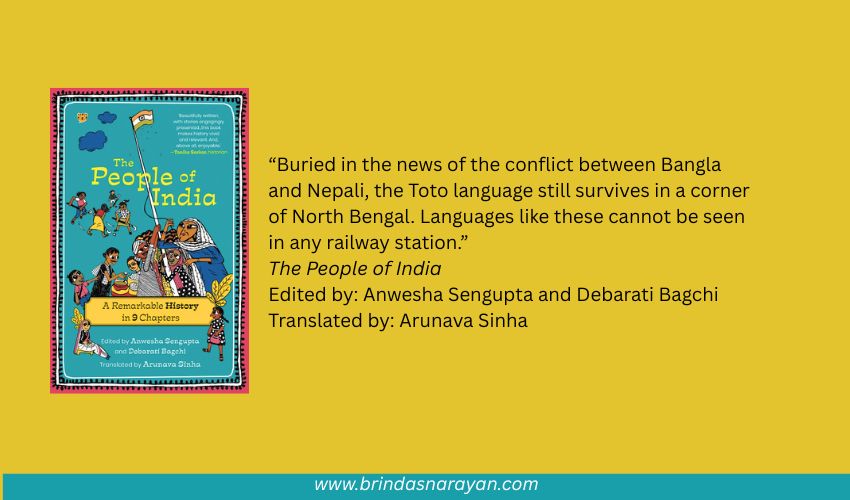
Between 2022 and 2024, Anwesha Sengupta and Debarati Bagchi wrote a series of nine history books in Bangla, targeted at middle-school readers attending Bangla-medium schools, to redress distortions imposed by authoritarian regimes. The series, called Itihase Hatekhori which translates into “First History Lessons,” intends to foster empathy for diverse populations that make up our country,
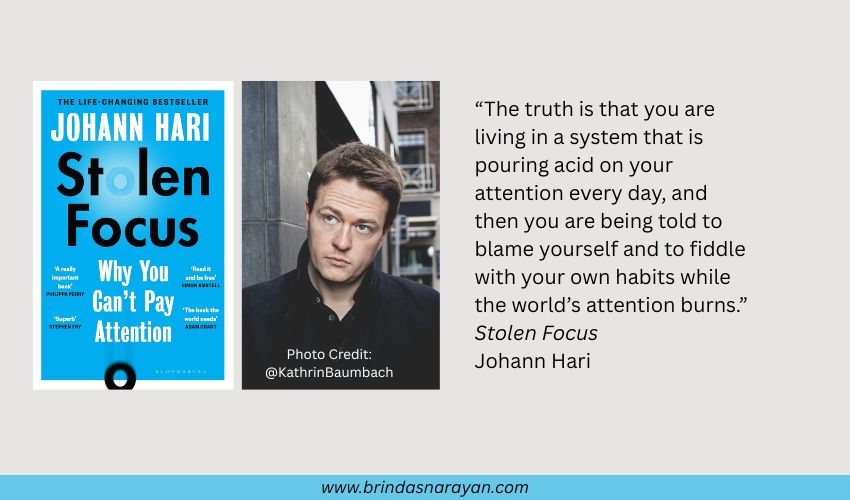
Roy Baumeister is a well-known social psychologist who studies willpower. When Johann Hari interviewed him at the University of Queensland for Stolen Focus, Hari was shaken when the self-control guru admitted that his own attention was shrinking.
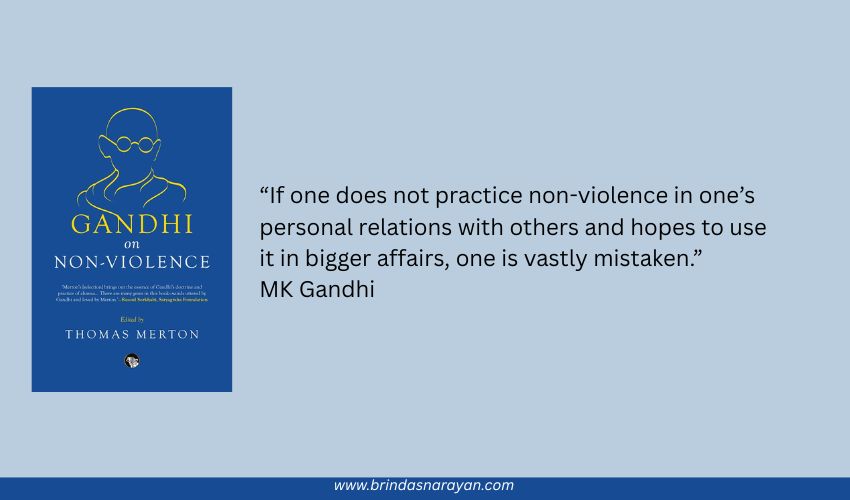
Reading about Gandhi today feels more relevant than ever, given that we live in an age where violence is treated as an almost inevitable, or even necessary response to any attack. Gandhi’s formulation of a tenacious non-violence derived from a deep,
Many Festivals, One Celebration
Kiran Manral grew up in a Bombay that has since morphed into Mumbai, and in unrecognizable ways as well. Her mother was a teacher and her father worked at a bank.
Beating Pots and Shattering Norms
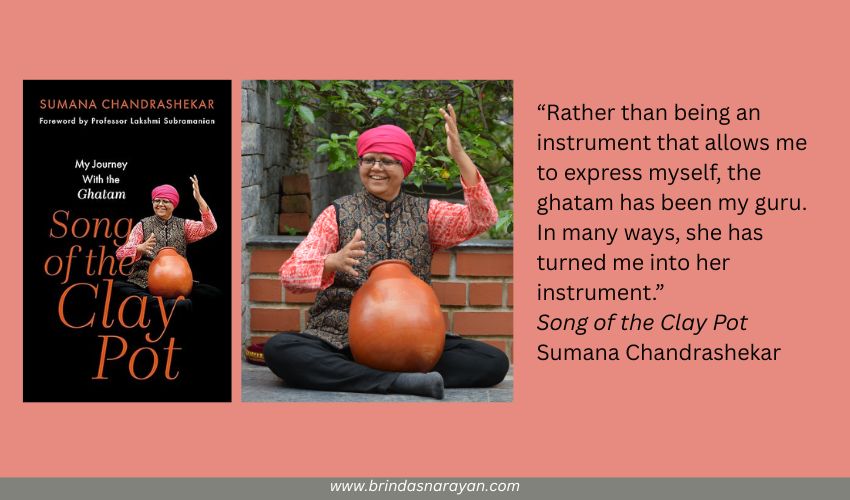
As one of the rare female Ghatam players on the Carnatic stage, Sumana Chandrashekar unveils behind-the-scene politics and hierarchies, the misogyny parading as tradition, the making and precarity of the instrument,
In a recent essay anthology, the writer Rebecca Solnit refuses to relinquish hope on the climate story. As she writes in the lead essay titled, “Difficult is Not the Same as Impossible,” “Some days it can feel like you’re the house that caught fire,
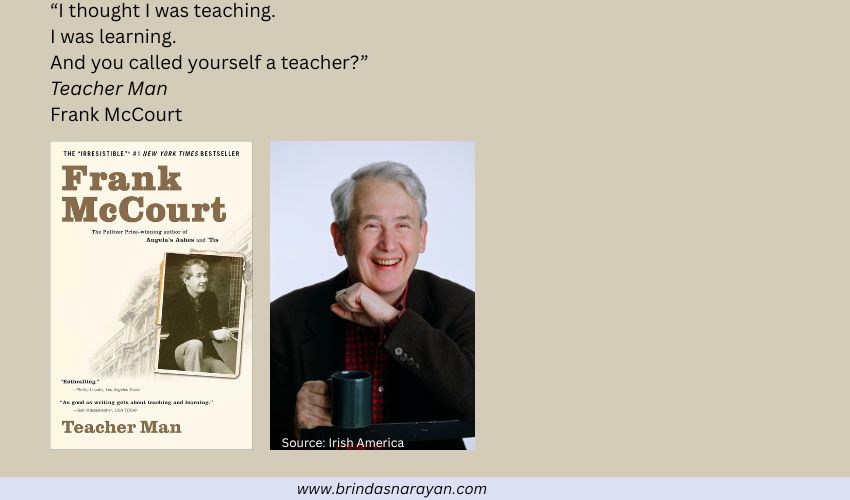
Though I’m not a teacher, I’m both curious about and fascinated by the promise and betrayals of education. Somehow the recent Teacher’s Day triggered a desire to reread Frank McCourt’s Teacher Man,
A Tale for School Misfits
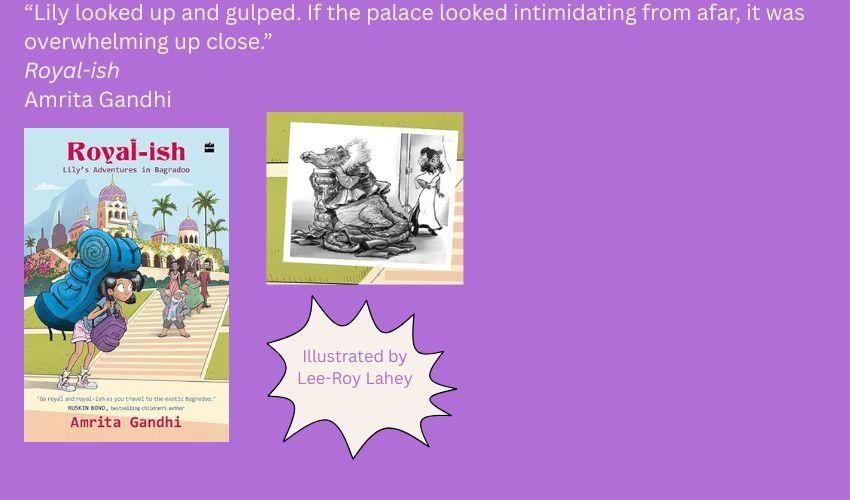
Have you ever felt like an oddball at school? Then plunge into the sprightly adventures of Lily Ray of Puddleton Middle School in the rollicking and twisty Royal-ish.
Chancing Upon a Book in Beacon
How does one stumble on a book? For me, it usually entails reading about it in a newspaper (we still buy old-fangled papers) or online or choosing it from a publisher’s promotional catalog (Thank you,
Tracing Loops Beyond GEB
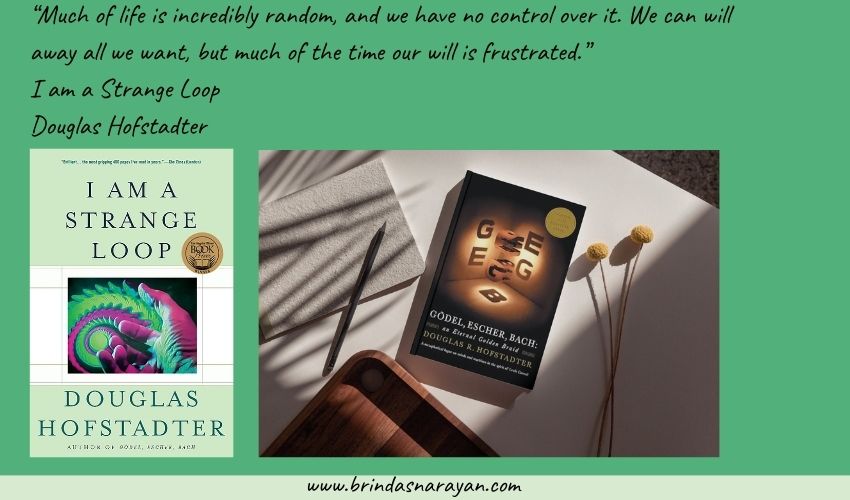
When I was in college, it was a thing to have read Godel Escher Bach (GEB) and to pretend to have got it. But perhaps such nouveau adult pretensions might have countered Douglas Hofstadter’s central message.
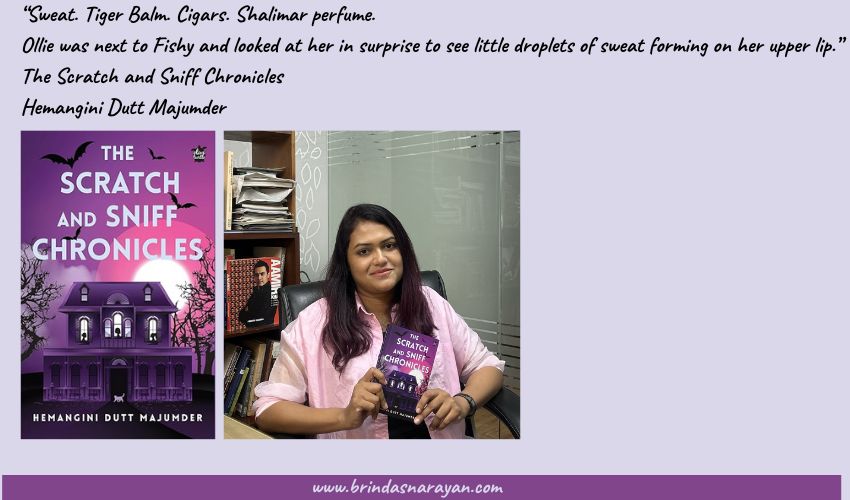
In Edouard Manet’s Olympia, a nude prostitute stares at the viewer with a matter-of-factness that feels belligerent given that, till then, sex workers were rarely represented with such insouciance. The protagonist, Ollie,
From a Small Shed to Lofty Campuses
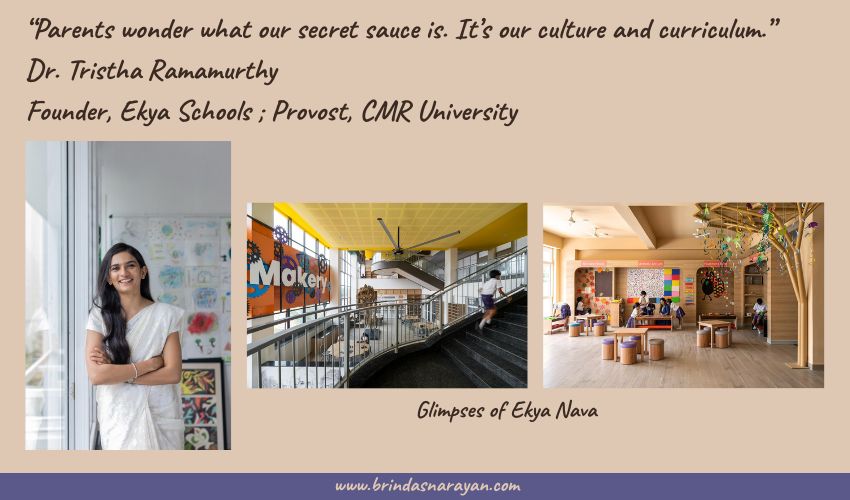
Tristha Ramamurthy was only five years old when her mother started a school in their guava orchard. Till then, Sabitha Ramamurthy, had been a homemaker. Noting a sparsity of schools in Kacharakanahalli,
I remember watching Rebel Without a Cause in a college class that was centered around the sociology of films. What I recall more than the film—with its portrayal of intergenerational clashes—was a notion that felt striking to my gauche,
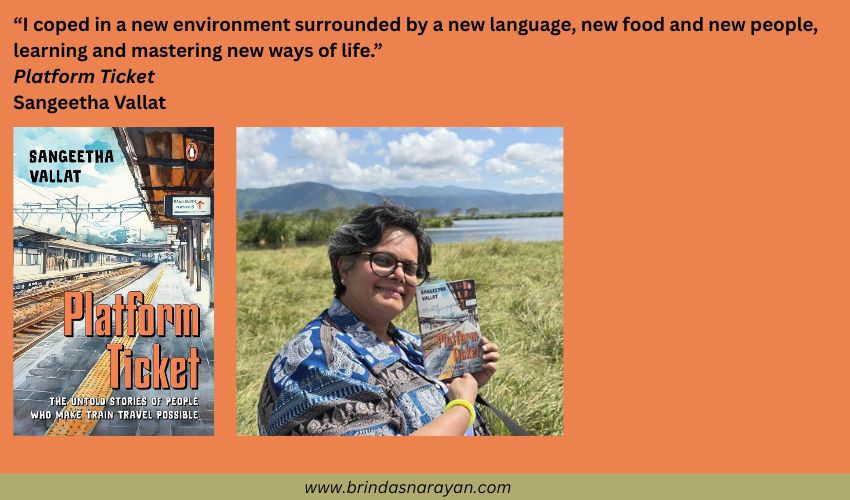
Countless books feature train journeys across the variegated landscapes, towns and villages that stitch up our nation. Platform Ticket is different. It shines a rare light into a world that many travel writers fleetingly brush against: the cramped,
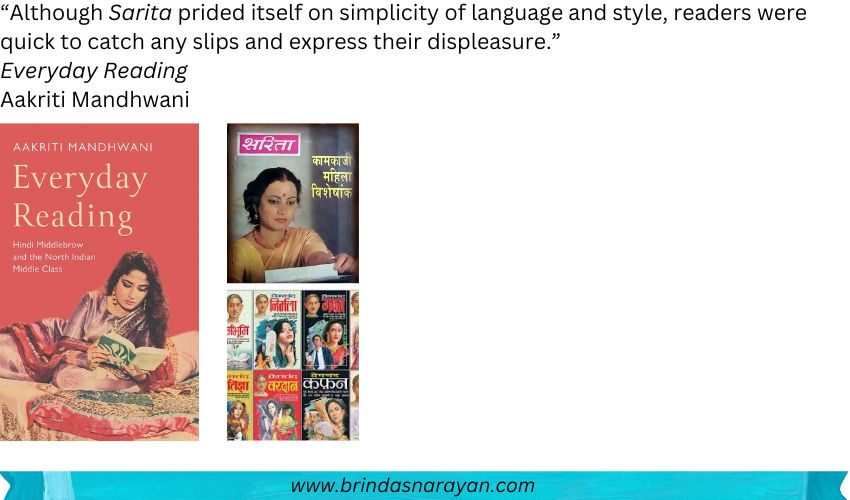
Enter an Indian bookstore and scan the covers. You might encounter Chowringhee by Sankar, The Murderer’s Mother by Mahasweta Devi, or The Magic Moonlight Flower by Satyajit Ray, to name only three from an ever-swelling list of more than 90 titles.
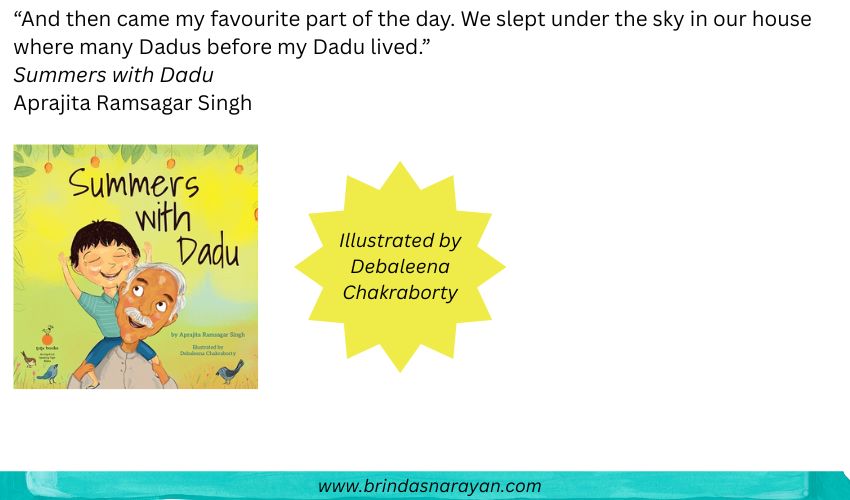
Saaz, like many young Muslim children in India, waits breathlessly for Eid to slide in with the new moon after 30 days of rigorous Ramadan fasts. More than the “delicious food” and the break from school,
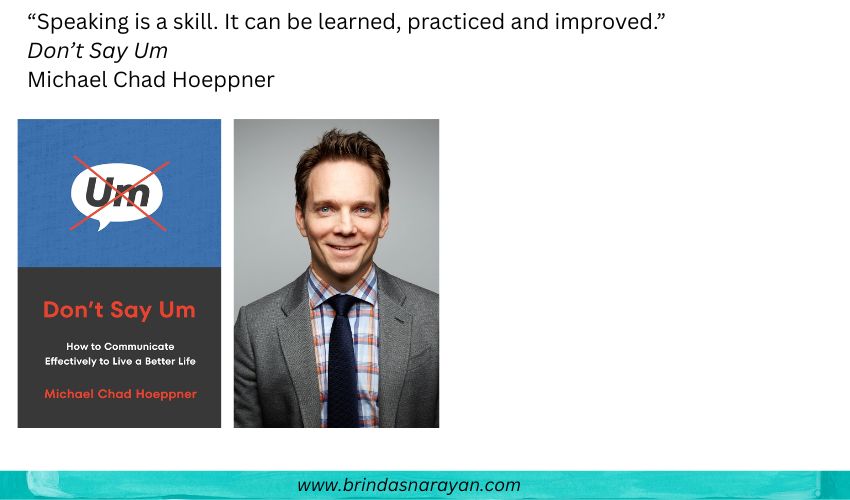
All Speaking Is Public Speaking
We are all familiar, or perhaps even a bit tired with memes and jokes surrounding the fear of public speaking. The oft-repeated one? You would rather climb into a coffin,
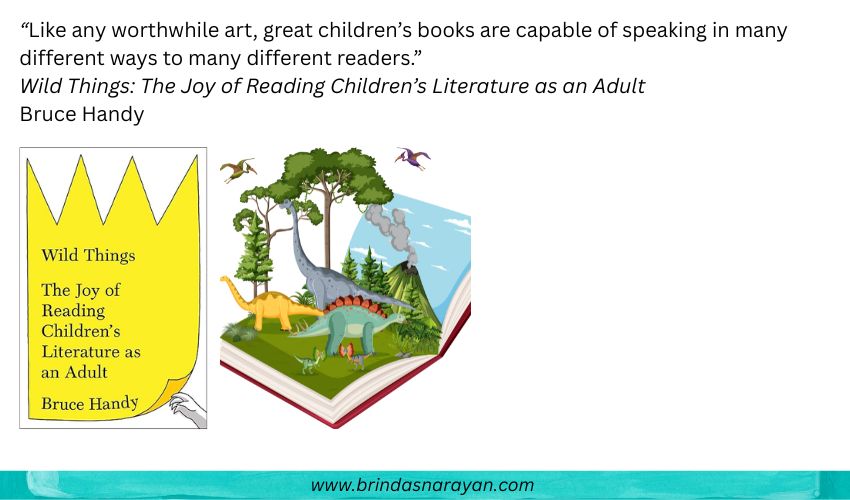
Kids’ Lit is Complex
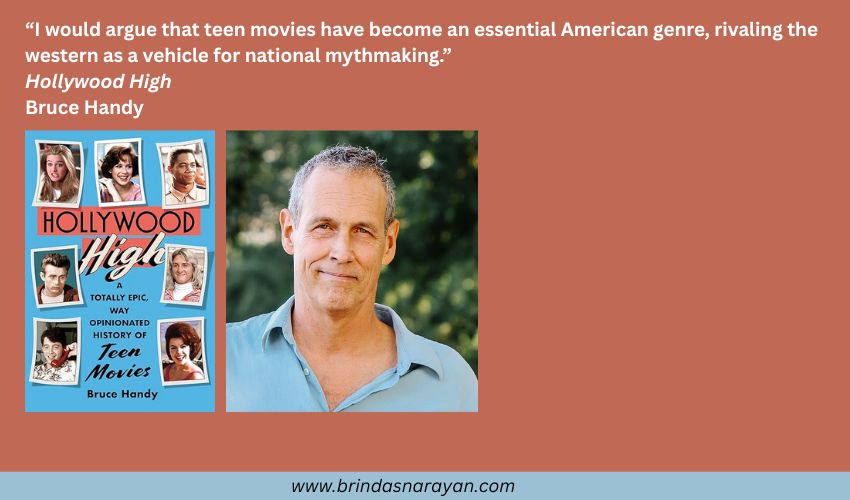
Bruce Handy returned to reading children’s books in the way that most adults do: as a parent, reading them to his kids. He realized, however, that he was gleaning a distinct pleasure,
This is a perennial question: how do you explain death to a child? Many families are not privileged enough to wrestle with the question before they are plunged into an experience that the child has to grapple with anyway.
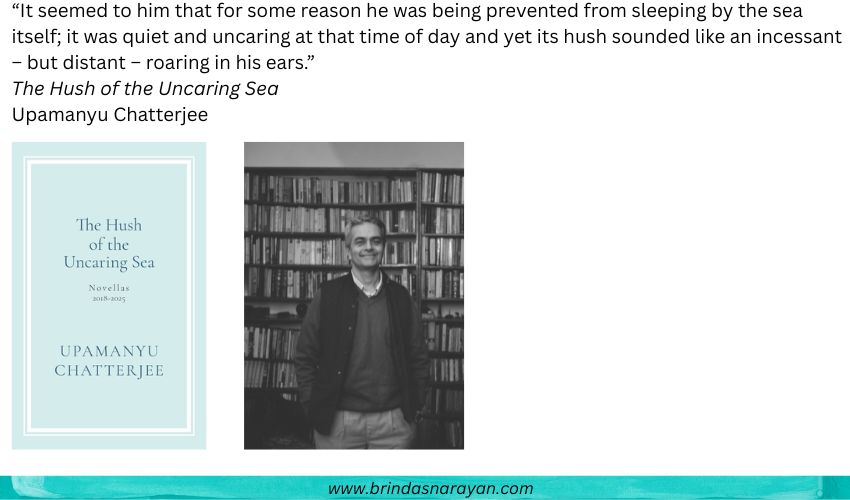
Upamanyu Chatterjee’s prose has a lulling effect like the hypnotic thrashing of waves, high tide, low tide, the relieving numbness of foamy waters beating against rocks. It’s unsurprising that in his collection of four novellas,
The year 2008 might have felt dispiriting or uplifting, based on what you paid attention to. It was the year, after all, of the Great Recession, a slide that started in the US and then spread to other countries,
Transitioning Into Social Impact
Eight years ago, if you had landed at Chuliaposhi, you might have encountered a starkness reminiscent of Satyajit Ray’s The Apu Trilogy. A village in the Mayurbhanj district of Odisha,
In his book on Creativity, the Hungarian-American psychologist, Mihaly Csikszentmihalyi traces the contrarian traits that make up Big-C creators: folks who reshape their domains, push boundaries and leave lasting dents on culture.
Perks of Not Belonging
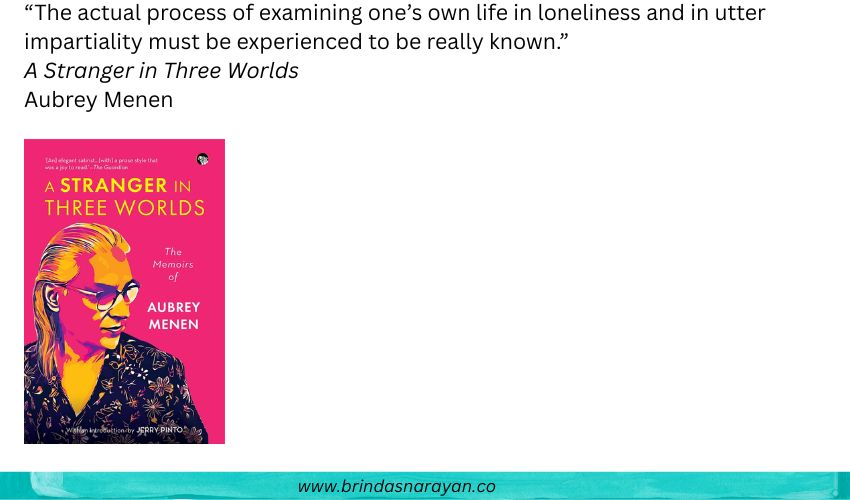
Reading Aubrey Menen convinces you of what might feel paradoxical: freedom does not emerge from belonging to a community, clan, race, nation or even a friends’ group. As Menen remarks in his collection of essays – drawn from his travels and his candidly examined past – “For the young to mistrust one’s friends is the beginning of wisdom.” While the young might like to think of themselves as “bold” and “original”,
The recent worldwide hit, Adolescence, highlights how a new edginess has been layered into an already fraught stage of human development. Given that most internet-connected youth are subjected to a globalized monoculture,
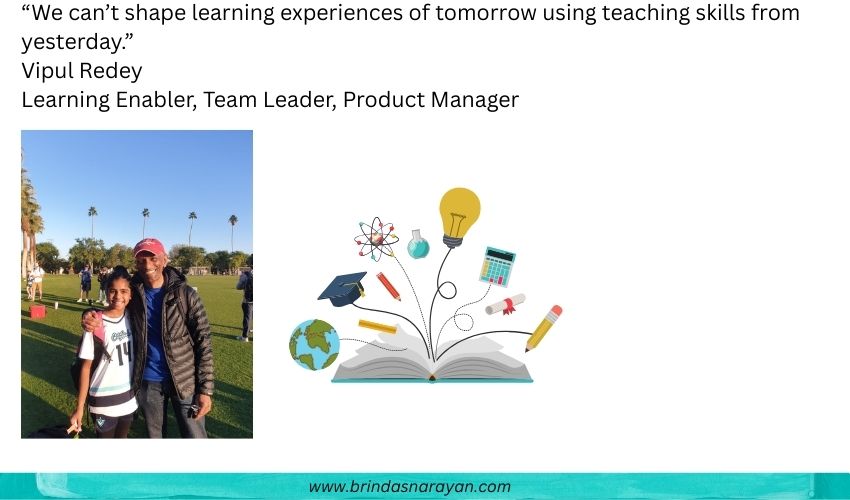
As a teenager, Vipul Redey was clear about his future. Watching cadets emerge from the National Defense Academy near Pune – their muscular bodies, their sharp crew cuts, the swagger with which they strode across the Deccan Gymkhana Club – he yearned to belong to their tribe.
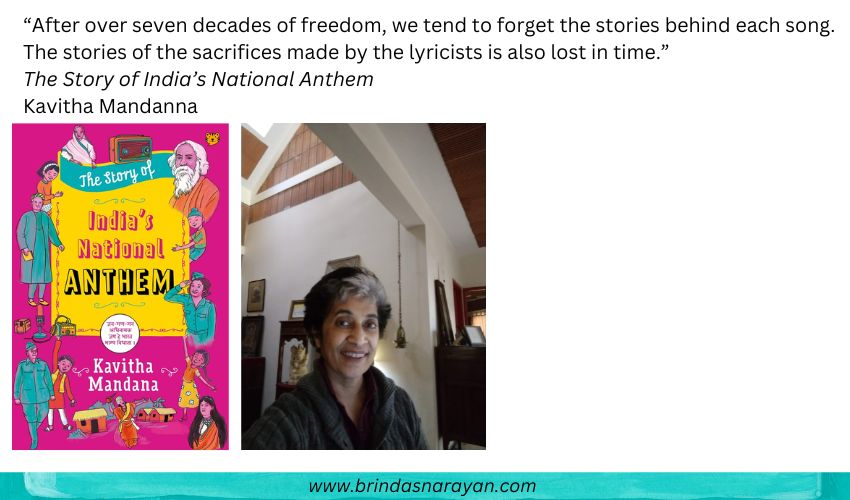
The oldest national anthem in use today is “The Wilhelmus” of the Netherlands. Though Jana Gana Mana was adopted more recently (in 1950, to be precise), it’s more widely known. It might even feature as the globally most popular national anthem.
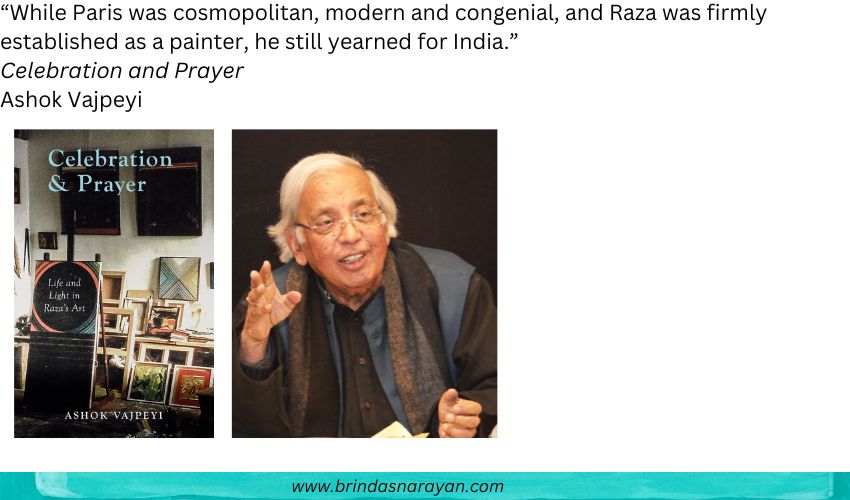
Syed Haider Raza was only eight-years-old when he first encountered Mahatma Gandhi. In Mandla, a small town by the River Narmada, a crowd had gathered to listen to the bespectacled, khadi-draped leader. As a child of devout Muslims,
Aspiring novelists might find it heartening or daunting when one of the nation’s more masterful literary writers observes – in a candid, expansive conversation – that his own writing is girded by failure. As someone who constantly labors to find that exact turn of phrase,
As a child, I remember reading C. Rajagopalachari’s Ramayana, an English retelling of Valmiki’s epic, that was widely circulated with its calendar arty cover. The centrality of the blue-skinned, unassailable Rama – both on the cover and inside its pages – felt like a given.
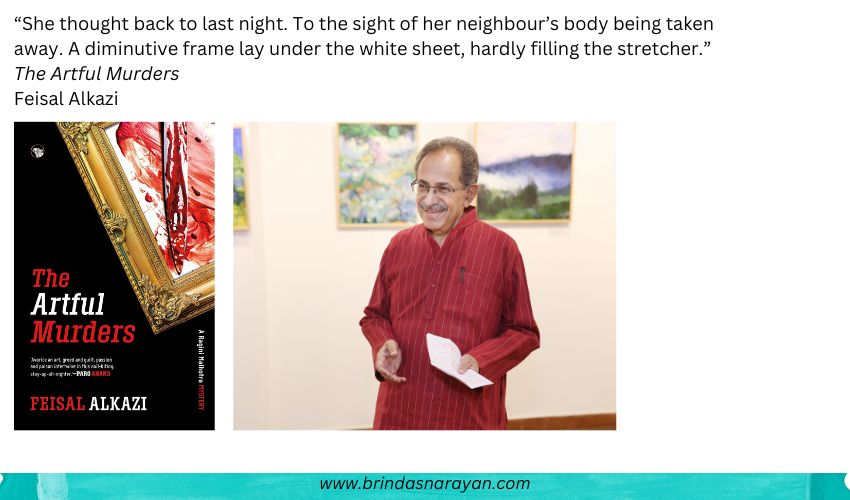
If you’re a fan of the Japanese thriller writer, Keigo Higashino, I would strongly recommend The Artful Murders. Like some of the standout works of the Japanese master, this depicts a gritty,
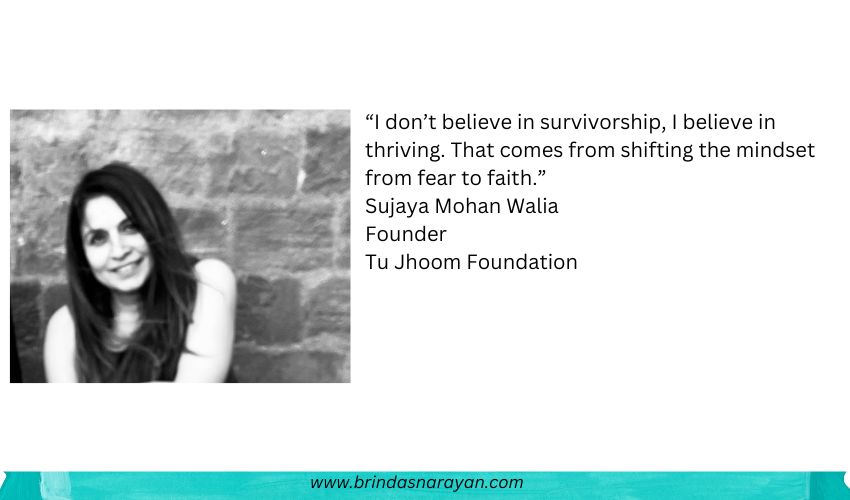
Tu Jhoom: A Compassionate Guide Through Cancer Journeys
When Asheema (names changed) was diagnosed with 3rd Stage breast cancer, she felt besieged. She had suffered through a heart-related health issue and a broken relationship.
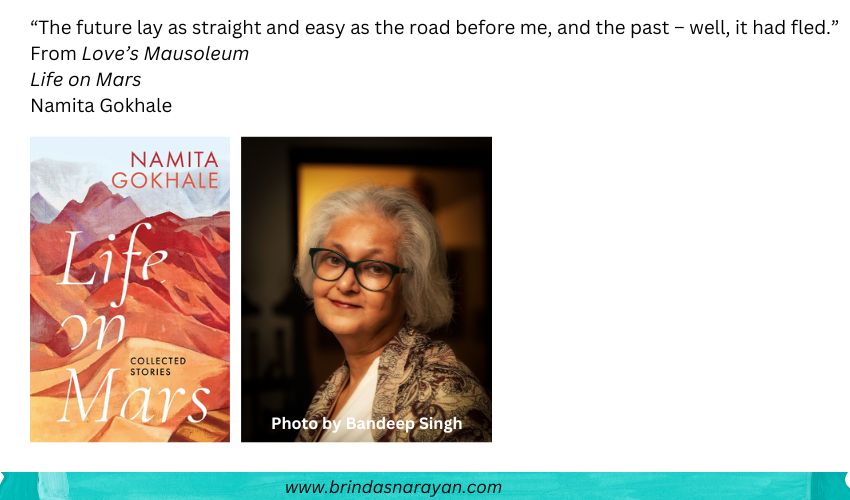
Namita Gokhale is unafraid to break story rules. In a fleeting meta moment, she acknowledges her distaste for bow-tied endings: “My quarrel with the short story is precisely that it imposes a false order and symmetry on events,
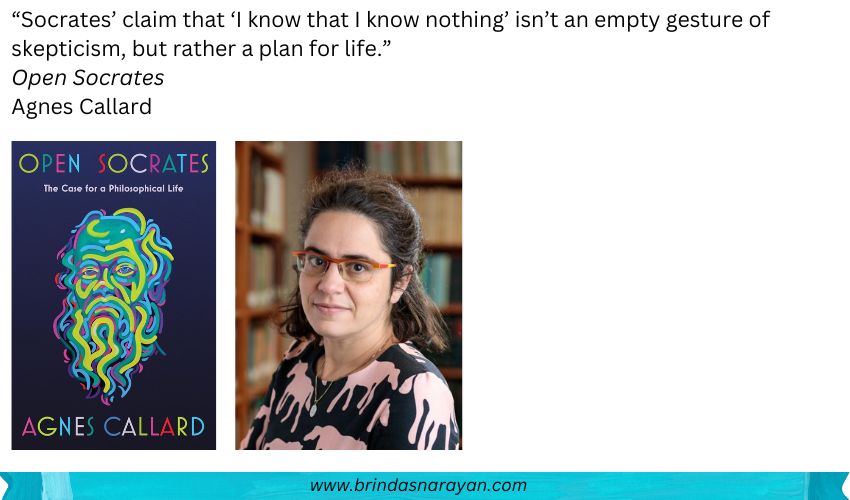
It might be a hard sell these days, to convince the old or the young, that the best guide to living a “good” life is an Athenian philosopher who died in 399 B.C. After all,
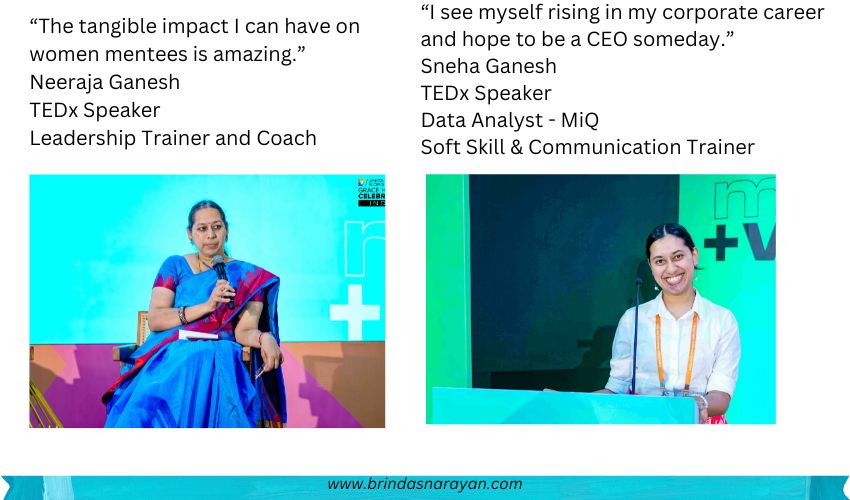
Neeraja Ganesh and Sneha Ganesh have carved unique niches for themselves. They are also known popularly as a mother-daughter duo that share a crackling chemistry. Often working together—at events or on projects—they have learned to draw boundaries and diffuse differences.
I stumbled on this book in the manner in which one stumbles on other stuff these days: partly offline, partly online. Perhaps, one could call it “hybrid”, to borrow a word that is typically used in other contexts.
Illusions Fostered by Primates
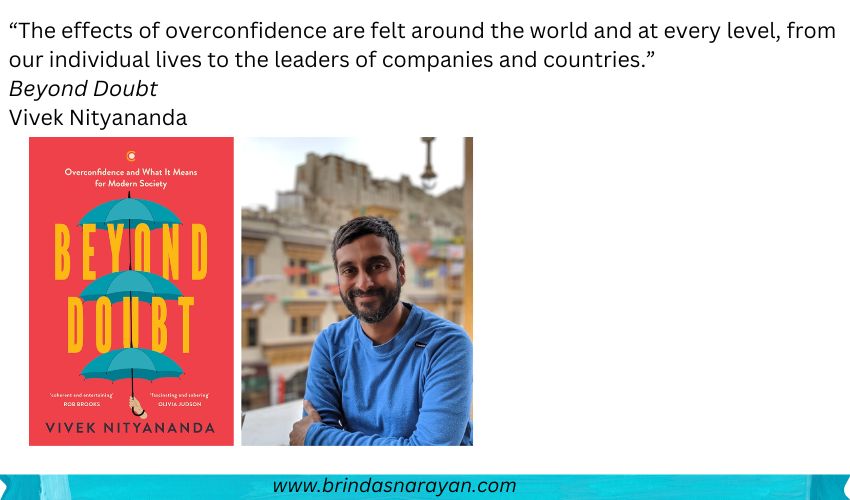
Vivek Nityananda is an entomologist by profession. He studied katydids and their secretive communication methods, the wing rustling among leaves that eluded human ears. Somewhere along the way, his academic curiosity strayed from the natural world into a distinctly human phenomenon: overconfidence.
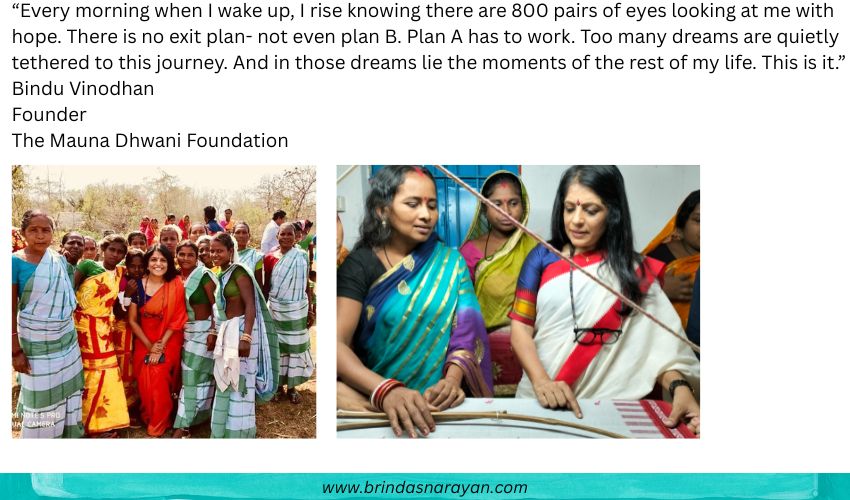
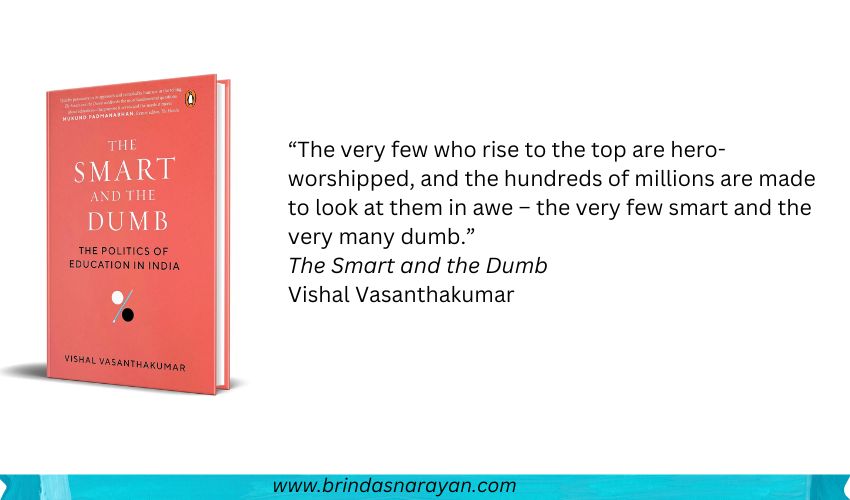
Vishal Vasanthakumar didn’t love school. Later as a teacher, he keenly observed parents’ faces. Whether they wheeled pushcarts or drove Mercedes-Benzes, their expressions radiated a similar mix of yearning and optimism. Formal schooling, they believed,
Swimming Against Tradition
Sonam Samat’s father was keen that his daughter pursue an education and acquire new-age like skills like swimming. Rather than hovering over stovetops, stirring dhals and puffing up rotis like most women in his generation.
From MOOCs to Marigolds
In a marketplace ablaze with the sounds and furies of India’s most cacophonous festival – Ganesha Chaturti – a saree-clad, bespectacled woman briskly strides through. She stops at a stall that packs row upon row of Ganeshas,
Bridget Jones broke a certain stereotype. That romcom protagonists must be, by default, somewhat put together. Till then, they were often fiercely intelligent, sparkly with words, discerning, virtuous et al, till Jones swept into our cultural lenses with her endearingly human,
At this point, planetary problems can feel too staggering to confront. The climate clock seems to be ticking towards an apocalyptic future, wars rage in Ukraine and Gaza, social media lures soporific users into seductive reel-tunnels.
Madhu Gupta and Seema Chaudhry have much in common. For one thing, they attend the same college. They live in old Delhi, in shabby apartments, reached by dim stairways. They stem from conservative, working class families.
Yadav’s Father: A Creative Tinkerer
Anusha Yadav was raised in a home that prized culture, creativity and hands-on tinkering. Moving across continents, from the UK – where her father studied for his PhD and taught at King’s College,
There have been many attempts to both analyze and historicize the Indian middle class. Works by Pavan Varma (The Great Indian Middle Class, 1998) and Aseem Prakash (The Indian Middle Class,
Navigating Disparate Worlds
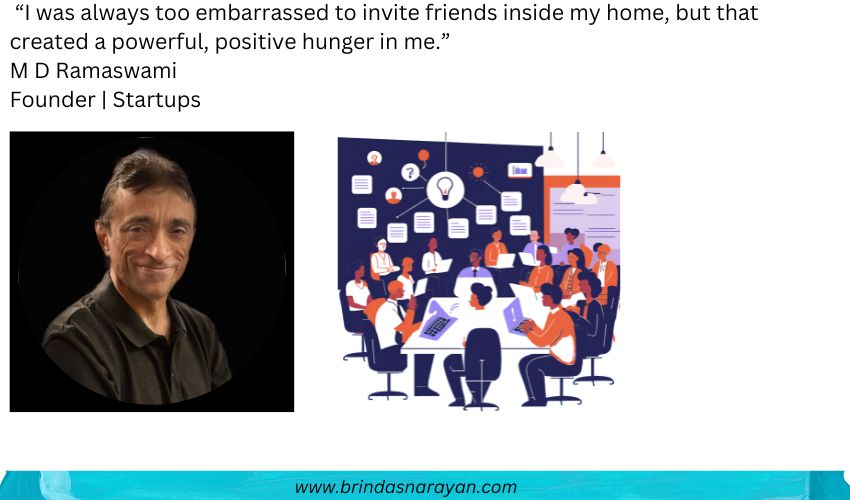
MD Ramaswami, known affectionately as MD among friends and family, learned early that exceptional communication skills could reap extraordinary dividends. Belonging to an era when the nation still suffered from a colonial hangover,
In a House of Few Frills
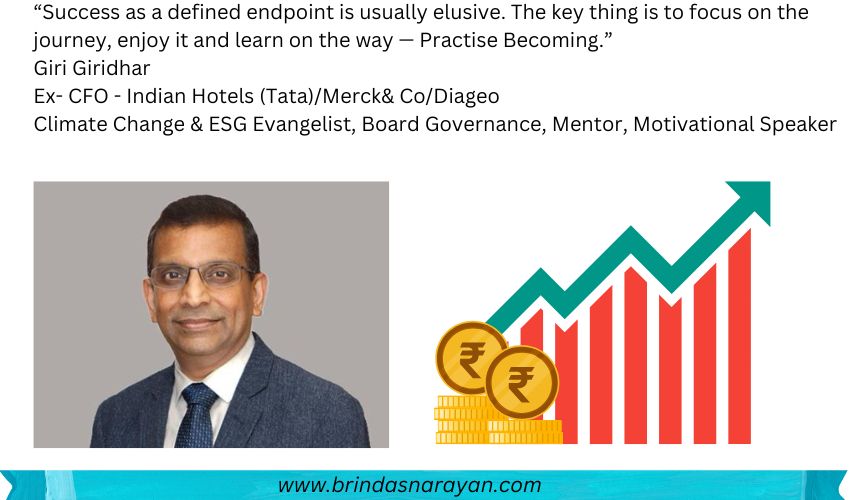
Giri’s stickiest childhood memories revolve around his grandfather. In an era sans gadgets or even a television, Aaja would teach him this and that. Even discuss passages from Shakespeare’s Merchant of Venice,
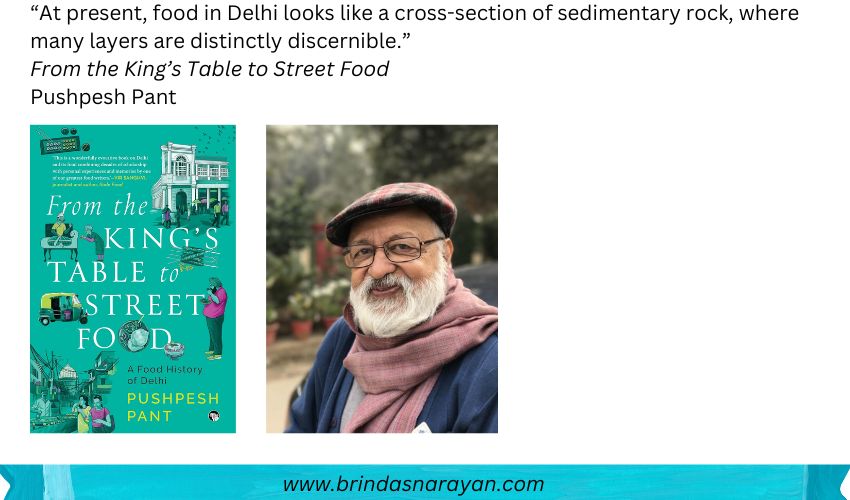
From The King’s Table to Street Food, as Pushpesh Pant acknowledges in his Preface, is not just a history of Delhi embedded with recipes and foodies stories. Nor is it a food book,
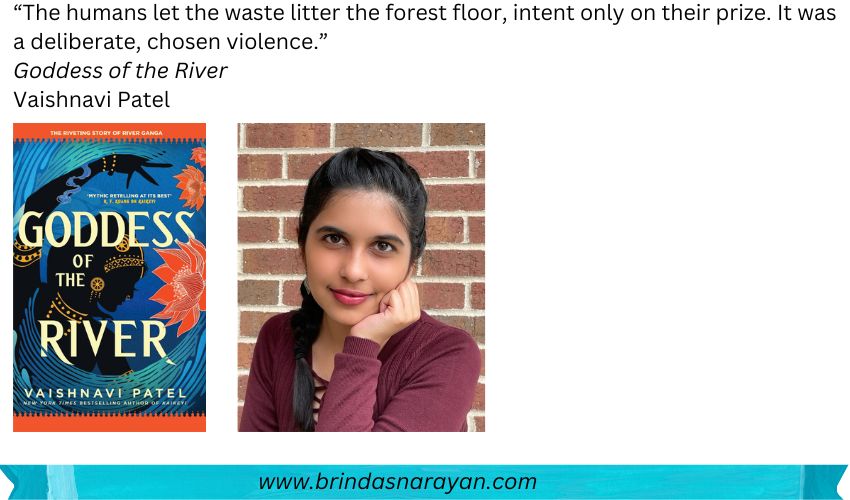
In her previous work, Kaikeyi, Vaishnavi Patel had dwelt on the point of view of a much maligned character in the Ramayana. Unsurprisingly, or perhaps not coincidentally, that character was a woman.
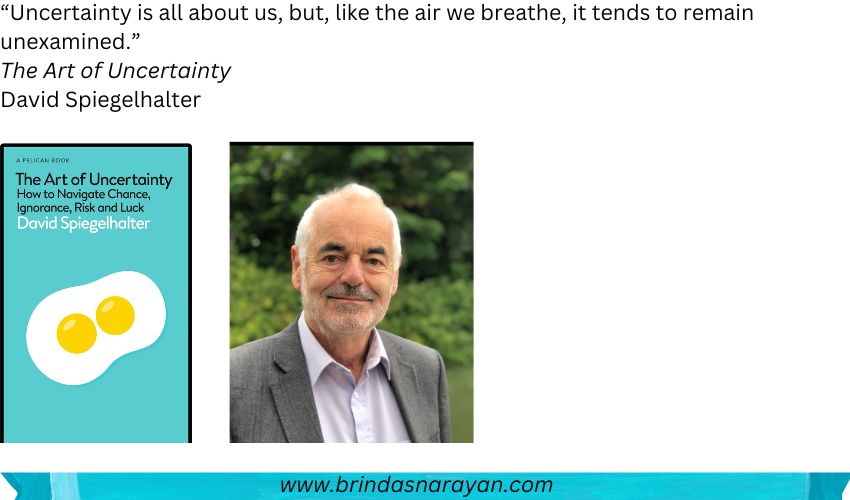
With the next US election a few days away, you would be hard put to find an expert who can be persuasively certain about the outcome. Despite all the data crunching and AI smarts, uncertainty shadows our lives,
Chasing Authenticity In Staged Spaces
Along with other vanishings – of biospecies, languages, cultures – modernity ushers an erasure of authenticity. Tourism, originally fashioned for aristocratic young men from Europe, has morphed into a global ritual that has seeped across classes.
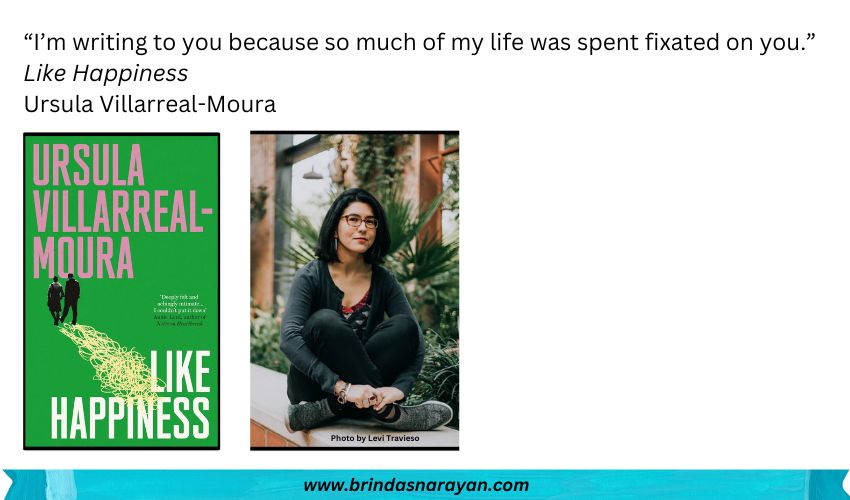
Like Happiness begins with a New Yorky scene. One that captures the stickiness and muck and strangely alluring grit of its subway rides. But also the forced physical proximity to performers whose music and moves are edged with aggressive asks.
Widows outnumber widowers. The reasons? Many men remarry, and historically, more men have died in wars. Moreover, as Mineke Schipper notes in Widows, 10% of widows today live in extreme poverty, underscoring the vulnerability braided into widowhood.
Culinary Soul Search
In October 2015, Siddharth Kapila decided to quit his law career. He wanted to travel, find himself, engaging in seemingly care-free acts that only the reasonably well-off can consider. He was aware too of how these choices were girded by privilege.
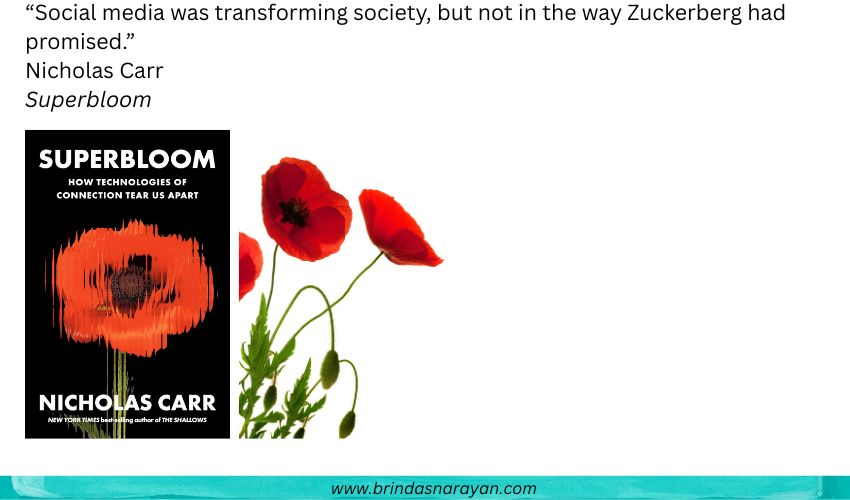
Loneliness Breeds Polarization
Loneliness might not just be an American scourge anymore, but could be seeping into other societies. Teens and aging parents can feel lonely inside families, just as partners might feel adrift inside marriages.
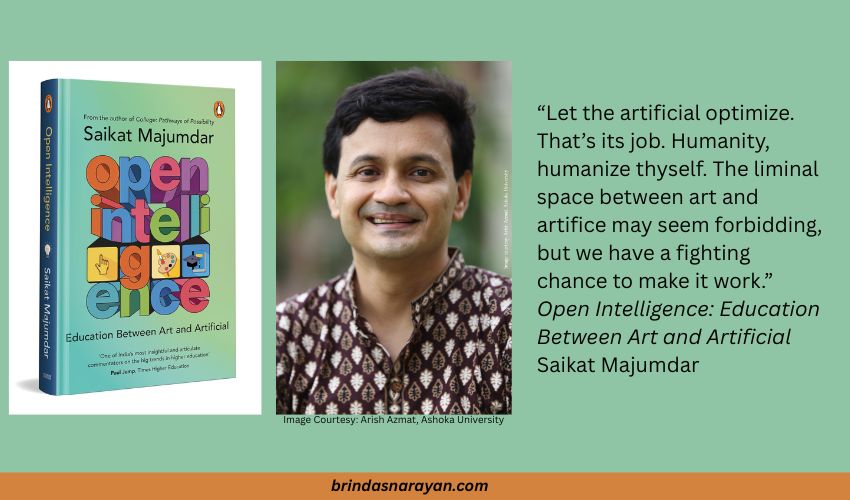
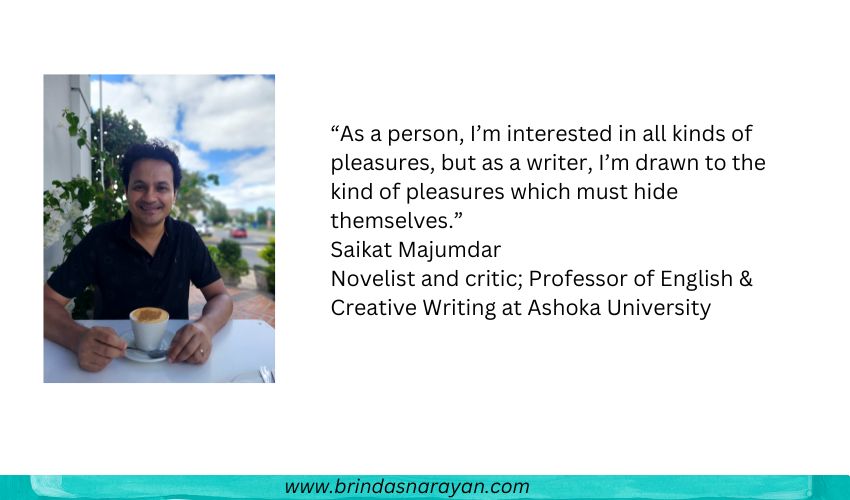
Saikat Majumdar’s novels have a kaleidoscopic quality – you jiggle them this way and that, and you perceive new symmetries, different colours. I had read some of his later works, The Remains of the Body,
Saunter through the grassy expanses of Cubbon Park on a Saturday morning to encounter the metronomic thump of the BHUKMP runners, their feet synchronized like an acapella group. Zoom in to the blur of faces on those taut bodies to spot the wildly popular Pankaj Rai,
In the throbbing, trafficky heart of our city, history and creativity collide. From ancient sculptures and textiles to modern paintings and pop culture treasures, the Museum of Art and Photography (MAP) has it all. The sleek steel facade with its embossed cross pattern spans six floors.
Feral Winds, Creeping Despair
In “Dread” and “Hunger”, two stories in A Bouquet of Dead Flowers, the Hindi writer Swadesh Deepak explores the unsettling intertwining of desire and deprivation. And of predatory instincts that simmer in situations marked by unequal power relations.
Where Play Fuels Genius
Mitchel Resnick’s book is a critical read for many reasons. But especially because Resnick practices the learning approaches he endorses, and not just at any place, but at one of the meccas of education – MIT.
Vedic Monism Meets Sufism
Sufism embodies mystical strands in Islam. When large numbers of Sufis swept into India in the 12th Century, their philosophy echoed the Vedic concept of “monism”. With “service to humanity” as their abiding ideal,
Curiosity Sparks Cake Making
Anu Sinha was only 11-years-old and in Class Five, when she baked her first cake. Growing up in the early ‘80s in the Bokaro Steel City, she hadn’t thought much about cakes or ovens,
Brinda S. Narayan